I’ve trained enough athletes to know when someone is working hard but not getting the results they deserve.
You’re probably here because you’re stuck. You show up, you put in the work, but something isn’t clicking. Your performance has flatlined.
Here’s what I’ve learned: the problem usually isn’t your training. It’s everything else you’re not doing.
Most athletes think more reps and heavier weights will break through a plateau. But I’ve seen too many people grind themselves into the ground while ignoring nutrition, recovery, and how their training actually fits together.
This guide gives you a complete system. Not just workout plans. A framework that connects all the pieces that actually drive performance.
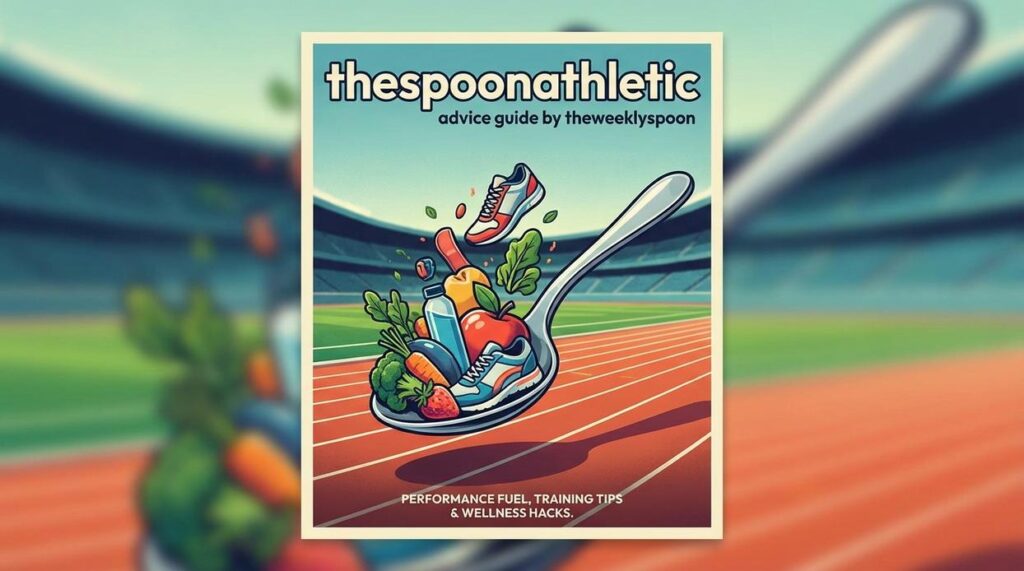
The Spoon Athletic advice guide by The Weekly Spoon is built on principles I’ve applied with competitive athletes for years. This isn’t theory. It’s what works when the stakes are high.
You’ll learn how to structure your training, fuel your body properly, and recover in ways that actually make you stronger.
No shortcuts or quick fixes. Just a sustainable approach to getting better.
Fueling for Victory: Precision Nutrition for Athletes
You’ve probably heard a thousand different opinions about what athletes should eat.
High carb. Low carb. Keto. Paleo. Intermittent fasting.
It gets confusing fast.
But here’s what I know after years of working with athletes. Nutrition doesn’t need to be complicated. You just need to understand a few core principles and how they apply to what you’re actually doing.
Let me break it down.
The Macronutrient Blueprint
Macronutrients are just protein, carbs, and fats. That’s it. The three things that give your body energy and help it rebuild.
For endurance athletes (runners, cyclists, swimmers), you need more carbs. Think 50-60% of your daily calories from carbs, 20-25% from protein, and 20-25% from fats.
Strength athletes (lifters, sprinters) need more protein. Aim for 30-35% protein, 40-50% carbs, and 20-25% fats.
These aren’t set in stone. But they’re a solid starting point.
Timing is Everything
What you eat matters. When you eat it matters just as much.
Before training, eat something 1-3 hours out. You want easily digestible carbs with some protein. A banana with peanut butter works. So does oatmeal with berries.
After training? You’ve got about 30-60 minutes where your muscles are basically begging for nutrients (this is called the anabolic window). Get 20-40 grams of protein and some fast-acting carbs in your system.
This isn’t bro science. Your muscles are primed to absorb nutrients right after you work out.
Hydration as a Performance Multiplier
Everyone says drink water. Sure. But that’s only half the story.
When you sweat, you lose electrolytes. Sodium, potassium, magnesium. These keep your muscles firing and your heart beating right.
Signs you’re dehydrated? Dark urine, headaches, fatigue that won’t quit, muscle cramps.
During training over an hour, you need more than water. Add electrolytes. Sports drinks work if you’re going hard. Coconut water is another option.
Here’s a simple rule: weigh yourself before and after training. For every pound lost, drink 16-24 ounces of fluid.
Supplementation That Works
Most supplements are garbage. Marketing dressed up as science.
But a few actually work.
Creatine helps with strength and power output. It’s one of the most studied supplements out there. Take 3-5 grams daily. That’s it.
Whey protein is just convenient protein. Nothing magical. But if you struggle to hit your protein targets through food, it helps. Aim for 20-25 grams post-workout. For gamers looking to optimize their post-workout nutrition without the hassle, Thespoonathletic offers a convenient way to incorporate whey protein into your routine, ensuring you hit those crucial 20-25 grams of protein to support recovery. Thespoonathletic provides gamers with an easy solution to boost their post-workout protein intake, ensuring they can recover effectively and stay focused on their next gaming session.
Skip the proprietary blends and mystery powders. Stick with what’s been proven.
For more guidance on building your nutrition plan, check out thespoonathletic advice guide by theweeklyspoon.
Look, nutrition doesn’t have to be perfect. It just needs to support what you’re asking your body to do.
Training Smarter, Not Just Harder: Principles of Elite Programming
I used to think more was always better.
More sets. More reps. More days in the gym.
Then I hit a wall so hard I couldn’t lift my arms above my head for a week. My shoulder was toast and my progress had stalled for three months straight.
That’s when I learned something most athletes figure out the hard way. Training harder doesn’t mean training better.
The Power of Periodization
Your body isn’t a machine that responds the same way every single day. It needs structure. How to Check Body Fitness Thespoonathletic builds on the same ideas we are discussing here.
Periodization is just a fancy word for planning your training in cycles. You’ve got macrocycles (your big picture, usually 6-12 months), mesocycles (4-6 week blocks), and microcycles (weekly plans).
Why does this matter? Because you can’t peak all the time. Your body needs phases where you build a base, phases where you push hard, and phases where you back off to recover.
I structure my training in four-week blocks now. Three weeks of building, one week of recovery. It sounds simple because it is.
Progressive Overload Explained
Here’s the truth about getting stronger. You need to do more than you did last time.
That could mean adding five pounds to the bar. Or hitting two more reps with the same weight. Or doing the same work with 30 seconds less rest.
The mistake I see at thespoonathletic all the time? People try to add weight every single session. That’s not sustainable.
Some weeks you add load. Other weeks you add volume. The point is consistent progress, not constant PRs.
Balancing Intensity and Volume
You know that athlete who goes all-out every workout? They’re either injured or about to be.
Intensity is how hard you work. Volume is how much you do. You can’t max out both at the same time without paying for it later.
When I’m in a high-volume phase, I keep intensity around 70-80%. When I’m testing my limits, I cut volume way back.
Your body adapts to stress, but only if you give it a chance to recover.
Accessory Work and Mobility
Nobody gets excited about band pull-aparts or hip flexor stretches.
But here’s what happens when you skip them. Those small imbalances become big problems. That tight ankle eventually becomes a knee issue. That weak rotator cuff becomes a shoulder injury.
I spend 15 minutes after every session on accessory work. Face pulls for shoulder health. Single-leg work to fix imbalances. Mobility drills for joints that need it.
It’s boring. It doesn’t feel productive.
But it’s the reason I’m still training pain-free after years of heavy lifting. The insights I gained from the Advice Guide Thespoonathletic have been invaluable, as they helped me maintain proper form and recovery techniques, ensuring that I’m still training pain-free after years of heavy lifting. The knowledge I’ve gained from the Advice Guide Thespoonathletic has transformed my approach to training, allowing me to lift heavy while prioritizing my body’s health and longevity.
The Art of Recovery: How Top Athletes Rebuild and Recharge
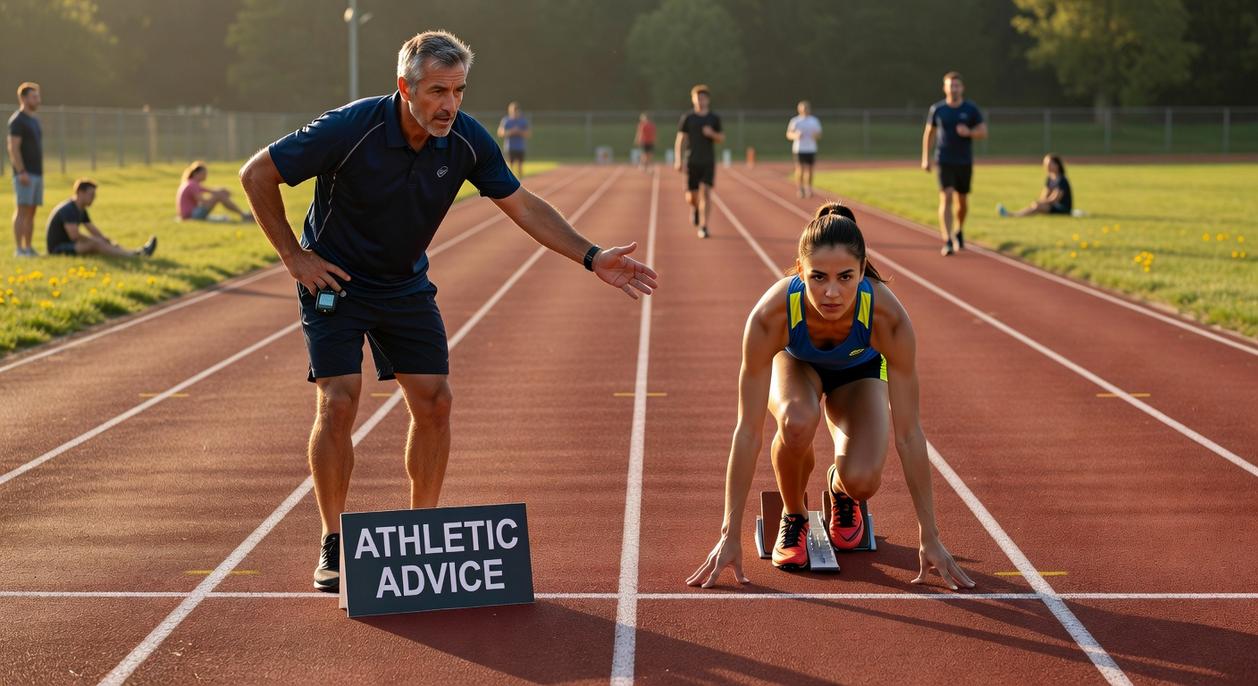
You can train hard six days a week.
But if you’re not recovering right, you’re just breaking yourself down.
I see this all the time. Athletes who think rest days mean lying on the couch doing nothing. Or worse, they skip recovery entirely and wonder why their performance plateaus.
Here’s what most training programs won’t tell you.
Recovery isn’t passive. It’s an active process that requires just as much attention as your workouts.
Sleep Isn’t Optional
Your body doesn’t repair itself during your workout. It repairs itself while you sleep.
When you sleep, your body releases growth hormone. This is when muscle tissue actually rebuilds. Your testosterone levels regulate. Your brain consolidates everything you learned during training (yes, even muscle memory). The ideas here carry over into Advice Thespoonathletic Provides Boost Termanchor, which is worth reading next.
According to research from the National Sleep Foundation, athletes need 7 to 9 hours minimum. Some need more depending on training volume.
But quantity isn’t everything. You need quality too.
Keep your room dark and cool. Put your phone in another room (I know, it’s hard). Try to go to bed at the same time each night. Your circadian rhythm responds to consistency.
If you want to know how to check body fitness thespoonathletic, start by tracking your sleep patterns first.
Active Recovery Actually Works
Complete rest has its place. But most days off should include some movement.
Light activity increases blood flow to sore muscles. This helps clear out metabolic waste and brings in nutrients your muscles need to repair.
I’m talking about easy stuff. A 20-minute walk. Some gentle yoga. Foam rolling while you watch TV.
Dynamic stretching works too. Leg swings, arm circles, light bodyweight movements. Nothing that makes you breathe hard.
The goal isn’t to train. It’s to move without stress.
Managing What Hurts
Inflammation is your body’s natural response to training. But too much inflammation slows recovery.
What you eat matters here. Fatty fish like salmon. Berries. Leafy greens. These foods help your body manage inflammation naturally.
Skip the ibuprofen unless you really need it. Some inflammation is actually necessary for adaptation.
Contrast therapy can help too. Alternate between hot and cold exposure. Two minutes hot shower, 30 seconds cold. Repeat three times.
Does it feel great? Not really. Does it work? Yeah, it does.
The Mental Edge: Forging an Unbreakable Athletic Mindset
I still remember standing at the starting line of my first competitive race, legs shaking so hard I thought everyone could see it.
My training had been solid. My body was ready. But my mind? That was a different story.
I’d spent months building strength and endurance but barely five minutes thinking about what would happen when the pressure hit. And it showed. I fell apart in the final stretch, not because my legs gave out, but because my head did.
That’s when I realized something most athletes figure out the hard way. Your body can only take you as far as your mind will let it.
Now, some coaches will tell you that mental training is just extra stuff. That if you work hard enough physically, the mental side takes care of itself. They say visualization and goal setting are just buzzwords that distract from real training.
I used to think that too.
But here’s what changed my mind. I watched athletes with less natural talent consistently outperform more gifted competitors. The difference wasn’t in their muscles. It was in how they thought about performance.
The advice guide thespoonathletic covers this in depth, but I want to break down what actually works.
Start with goals that mean something. The SMART framework isn’t sexy, but it works. Specific, measurable, achievable, relevant, and time-bound. Write them down. Review them weekly.
Then there’s visualization. Before every competition, I spend ten minutes mentally rehearsing my performance. Not just seeing myself win (that’s fantasy), but practicing the actual movements and decisions I’ll need to make under pressure. Incorporating mental rehearsals into your training routine can significantly enhance your performance, and to complement that, understanding how to check body fitness thespoonathletic can provide valuable insights into your physical readiness for competition.How to Check Body Fitness Thespoonathletic In addition to my mental rehearsals, I’ve found that understanding the physical aspect of my performance is crucial, which is why I often refer to resources like “How to Check Body Fitness Thespoonathletic” to ensure I’m in peak condition for competition.
And when setbacks come? Because they will. You need a plan for bouncing back that doesn’t rely on motivation alone.
Integrating the Pillars for Consistent Success
You now have the complete blueprint.
Nutrition, training, recovery, and mindset. These aren’t separate pieces. They work together or they don’t work at all.
Random acts of fitness give you random results. You’ve probably felt that frustration before. You train hard but don’t see progress. You eat clean but still hit walls.
That happens when you treat each pillar like it stands alone.
The truth is simpler than you think. Your athletic life is one system. When you connect these pieces, you build something powerful. You create an engine that runs on consistency instead of motivation.
I’ve seen this work for athletes at every level. The ones who succeed aren’t doing anything magical. They’re just treating their body like the integrated system it is.
Here’s what you do next: Pick one strategy from each section in thespoonathletic advice guide by theweeklyspoon. Implement them this week. Just one from nutrition, one from training, one from recovery, and one from mindset.
Start there and build.
Consistency beats intensity every single time. That’s your real competitive advantage.
 Founder & Chief Performance Strategist
Ask Tylisia Mornelle how they got into pro insights and you'll probably get a longer answer than you expected. The short version: Tylisia started doing it, got genuinely hooked, and at some point realized they had accumulated enough hard-won knowledge that it would be a waste not to share it. So they started writing.
What makes Tylisia worth reading is that they skips the obvious stuff. Nobody needs another surface-level take on Pro Insights, Fitness Nutrition Planning, Athletic Health Fundamentals. What readers actually want is the nuance — the part that only becomes clear after you've made a few mistakes and figured out why. That's the territory Tylisia operates in. The writing is direct, occasionally blunt, and always built around what's actually true rather than what sounds good in an article. They has little patience for filler, which means they's pieces tend to be denser with real information than the average post on the same subject.
Tylisia doesn't write to impress anyone. They writes because they has things to say that they genuinely thinks people should hear. That motivation — basic as it sounds — produces something noticeably different from content written for clicks or word count. Readers pick up on it. The comments on Tylisia's work tend to reflect that.
Founder & Chief Performance Strategist
Ask Tylisia Mornelle how they got into pro insights and you'll probably get a longer answer than you expected. The short version: Tylisia started doing it, got genuinely hooked, and at some point realized they had accumulated enough hard-won knowledge that it would be a waste not to share it. So they started writing.
What makes Tylisia worth reading is that they skips the obvious stuff. Nobody needs another surface-level take on Pro Insights, Fitness Nutrition Planning, Athletic Health Fundamentals. What readers actually want is the nuance — the part that only becomes clear after you've made a few mistakes and figured out why. That's the territory Tylisia operates in. The writing is direct, occasionally blunt, and always built around what's actually true rather than what sounds good in an article. They has little patience for filler, which means they's pieces tend to be denser with real information than the average post on the same subject.
Tylisia doesn't write to impress anyone. They writes because they has things to say that they genuinely thinks people should hear. That motivation — basic as it sounds — produces something noticeably different from content written for clicks or word count. Readers pick up on it. The comments on Tylisia's work tend to reflect that.