

If you’re looking to improve athletic performance safely and effectively, you need more than random workout tips—you need a clear understanding of how training, nutrition, and recovery work together. This article is designed to break down the fundamentals of athletic health, from building endurance and structuring smarter workouts to optimizing recovery and dialing in your fueling strategy. We’ll also explore key concepts like nutrient timing for performance and how small adjustments in when and what you eat can directly impact strength, stamina, and recovery.
To ensure you’re getting guidance you can trust, this content draws on peer-reviewed sports science research, evidence-based nutrition principles, and insights commonly used by performance coaches and sports dietitians. Whether you’re a competitive athlete or simply striving to train smarter, you’ll walk away with practical, science-backed strategies you can apply immediately to support consistent progress and long-term results.
Understanding nutrient timing can feel complicated, but it simply means aligning food intake with your training demands. Think of your body like a hybrid car: it runs best when fuel arrives at the right moment. Pre-workout nutrition (food eaten 1–3 hours before exercise) tops off glycogen, the stored form of carbohydrate your muscles burn for energy. During long sessions, quick-digesting carbs help maintain blood glucose. Post-workout protein supports muscle protein synthesis, the repair process that rebuilds fibers stronger than before.
- Fuel before for energy
- Refuel after for recovery
This is nutrient timing for performance in action for athletes.
The “Anabolic Window”: Separating Myth from Reality
The anabolic window is the idea that you have 30–60 minutes after a workout to consume protein and carbs or risk “losing” your gains. It sounds urgent—almost like a ticking stopwatch in a sports movie.
But here’s the reality: research shows the window for muscle repair and glycogen (stored carbohydrate) replenishment is much wider—often several hours, especially if you ate before training (Schoenfeld & Aragon, 2013).
So what should you actually do?
- Aim for 20–40g of high-quality protein within a couple of hours post-workout.
- Include carbohydrates if you trained hard or have another session soon.
- Prioritize total daily intake over frantic timing.
For example, if you finish lifting at 6 p.m. and eat dinner at 7, you’re covered. No emergency shaker bottle required.
That said, nutrient timing for performance can matter for elite athletes training multiple times daily. Pro tip: consistency beats panic every time.
Pre-Workout Fuel: Priming Your Body for Peak Output
Fueling before training can feel confusing, so let’s simplify it. Your main goal is to top off glycogen stores (the carbohydrates stored in your muscles for energy), stay hydrated, and avoid stomach discomfort. In other words, you want energy—without the regret halfway through your session.
Timing and Macronutrients Made Simple
First, timing matters. A balanced meal 2–3 hours before exercise gives your body time to digest and convert food into usable fuel. If you’re closer to go-time, aim for a small, easily digestible snack 30–60 minutes before.
For your main meal, prioritize complex carbohydrates—slow-digesting carbs like oats or brown rice that provide steady energy. Closer to your workout, switch to simple carbohydrates like a banana or energy gel, which digest quickly and offer rapid fuel (think of it as the espresso shot of carbs).
Practical examples:
- Oatmeal with berries 2 hours before
- Brown rice with eggs and veggies 3 hours before
- A banana 45 minutes before
- Greek yogurt with honey 60 minutes before
Hydration is equally critical. Drink 16–20 oz of water 2–3 hours before training to support circulation and temperature control. This approach to nutrient timing for performance helps ensure you start strong—and finish stronger.
Intra-Workout Fueling: Sustaining Energy for Endurance
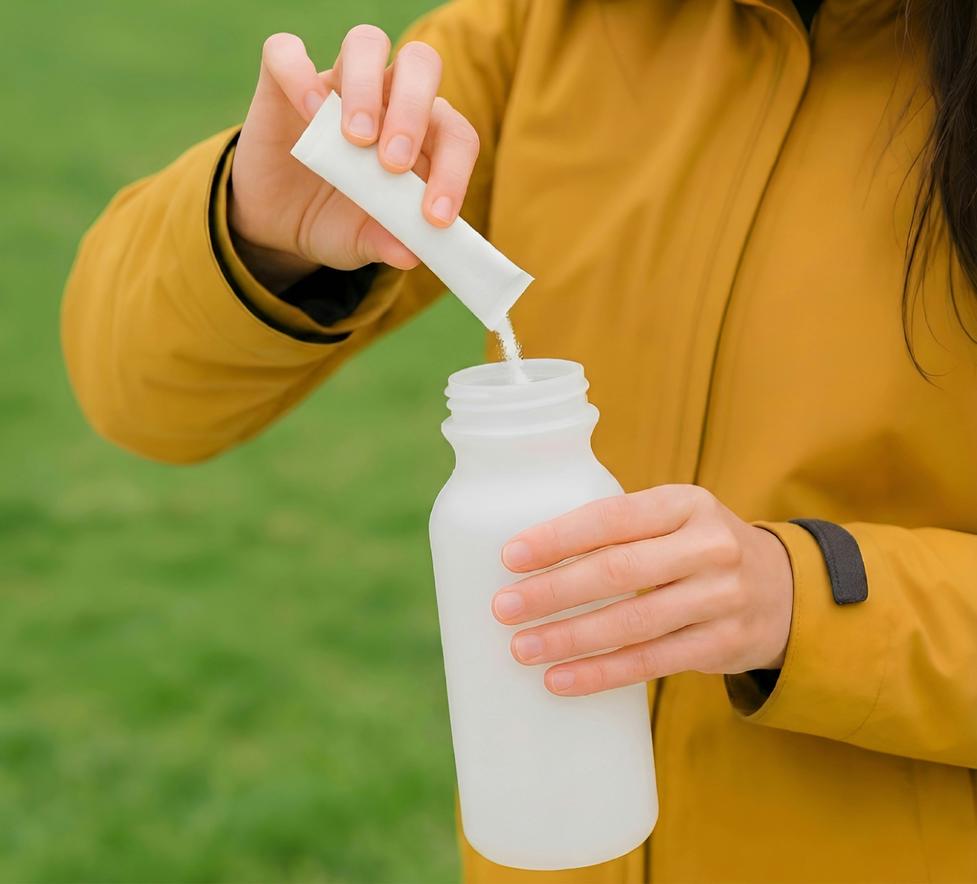
When is it necessary? Intra-workout fueling is most useful for endurance sessions or high-intensity training lasting 75–90 minutes or longer. If you’re running a marathon, cycling long distance, or grinding through extended interval work, your glycogen (stored carbohydrate in muscles) begins to drop. That’s when energy dips—and “bonking” (sudden fatigue from low blood sugar) can hit hard.
The objective: Maintain steady blood glucose and replenish glycogen in real time using nutrient timing for performance.
What to consume (30–60g carbs per hour):
- Sports drinks with electrolytes
- Energy gels or chews
- Easily digested fruit like bananas
Avoid:
- High-fat foods
- High-fiber snacks
- Protein-heavy options
These slow digestion and can cause stomach distress mid-workout (never fun at mile 18).
Pro tip: Practice fueling during training—not race day. For broader planning, review how to create a weekly meal plan for active lifestyles.
Post-Workout Recovery: The Critical Repair and Rebuilding Phase
Think of your body after a workout like a house mid-renovation. Walls are scuffed, wiring’s exposed, and supplies are running low. Recovery is the crew that comes in to restock, repair, and restore order.
The 3 R’s of Recovery: Refuel, Rebuild, Rehydrate.
• Refuel Glycogen: After exercise, your muscles are low on glycogen (stored carbohydrates used for energy). Consuming carbs within 1–2 hours acts like refilling a drained battery. Research shows this window supports faster glycogen replenishment, especially after intense training (JISSN, 2017). This is where nutrient timing for performance matters most.
• Rebuild Muscle: Exercise creates tiny tears in muscle fibers. To repair them, aim for 20–40 grams of high-quality protein, which stimulates muscle protein synthesis (MPS)—the biological process that rebuilds stronger tissue (Phillips & Van Loon, 2011).
• Rehydrate: Fluids and electrolytes restore circulation and temperature balance (think topping off your engine coolant).
Many argue total daily intake matters more than timing. True—but after tough sessions or double training days, delaying recovery is like leaving construction materials in the rain.
Ideal Carb-to-Protein Ratio: A 3:1 or 4:1 carb-to-protein ratio is widely recommended for optimal recovery.
Actionable Meals:
- Grilled chicken with sweet potato
- Whey protein shake with a banana
- Greek yogurt with fruit
(Pro tip: add a pinch of salt to speed rehydration.)
Beyond the Workout: The 24-Hour Performance Nutrition Cycle
Most athletes treat training like a movie trailer—intense and brief. But your body runs a 24-hour series. Performance is built between sessions, not just during them. Consistent, well-timed meals act like deposits in a recovery bank, compounding energy, repair, and body composition.
Think of protein as bricks. Spreading intake evenly across 3–4 meals helps maximize MPS, process of building muscle. Skipping meals leaves construction unfinished.
Even sleep is a shift change. A pre-sleep casein shake works like an overnight crew, supporting repair while you rest. That’s nutrient timing for performance in action.
Building Your Personalized Fueling Blueprint
This guide has shown that strategic nutrient timing is a powerful tool for any athlete.
The core problem is simple: poor timing can quietly undermine your hard work in the gym or on the field.
The solution’s power lies in alignment: match your fueling to training demands before, during, and after sessions.
Use nutrient timing for performance to create an optimal environment for energy, recovery, and adaptation.
Start small: optimize your pre-workout meal with easily digested carbs and protein 60–90 minutes prior.
Track how you feel in a log, noting stamina, focus, and soreness consistently.
Take Control of Your Performance Today
You came here looking for clarity on how to train smarter, fuel better, and recover faster. Now you understand how athletic health fundamentals, smart fueling strategies, endurance structure, and intentional recovery all work together to drive real results.
The truth is, most athletes don’t struggle from lack of effort — they struggle from lack of strategy. Poor recovery, inconsistent fueling, and ignoring nutrient timing for performance can quietly stall progress, drain energy, and increase injury risk. That frustration of training hard but not seeing results? It’s fixable.
Apply what you’ve learned. Dial in your meals around workouts. Prioritize recovery as much as intensity. Build a sustainable system instead of chasing quick fixes.
If you’re ready to break through plateaus and perform at your peak, start implementing these strategies today. Join the thousands of athletes who trust our expert-backed guidance to sharpen their edge. Take the next step now and transform the way you train, fuel, and recover.
 Founder & Chief Performance Strategist
Ask Tylisia Mornelle how they got into pro insights and you'll probably get a longer answer than you expected. The short version: Tylisia started doing it, got genuinely hooked, and at some point realized they had accumulated enough hard-won knowledge that it would be a waste not to share it. So they started writing.
What makes Tylisia worth reading is that they skips the obvious stuff. Nobody needs another surface-level take on Pro Insights, Fitness Nutrition Planning, Athletic Health Fundamentals. What readers actually want is the nuance — the part that only becomes clear after you've made a few mistakes and figured out why. That's the territory Tylisia operates in. The writing is direct, occasionally blunt, and always built around what's actually true rather than what sounds good in an article. They has little patience for filler, which means they's pieces tend to be denser with real information than the average post on the same subject.
Tylisia doesn't write to impress anyone. They writes because they has things to say that they genuinely thinks people should hear. That motivation — basic as it sounds — produces something noticeably different from content written for clicks or word count. Readers pick up on it. The comments on Tylisia's work tend to reflect that.
Founder & Chief Performance Strategist
Ask Tylisia Mornelle how they got into pro insights and you'll probably get a longer answer than you expected. The short version: Tylisia started doing it, got genuinely hooked, and at some point realized they had accumulated enough hard-won knowledge that it would be a waste not to share it. So they started writing.
What makes Tylisia worth reading is that they skips the obvious stuff. Nobody needs another surface-level take on Pro Insights, Fitness Nutrition Planning, Athletic Health Fundamentals. What readers actually want is the nuance — the part that only becomes clear after you've made a few mistakes and figured out why. That's the territory Tylisia operates in. The writing is direct, occasionally blunt, and always built around what's actually true rather than what sounds good in an article. They has little patience for filler, which means they's pieces tend to be denser with real information than the average post on the same subject.
Tylisia doesn't write to impress anyone. They writes because they has things to say that they genuinely thinks people should hear. That motivation — basic as it sounds — produces something noticeably different from content written for clicks or word count. Readers pick up on it. The comments on Tylisia's work tend to reflect that.