

If you’re searching for a smarter way to improve performance, reduce injury risk, and get measurable results, you’re in the right place. This article breaks down how data driven training for athletes transforms guesswork into precision—using performance metrics, recovery indicators, and nutrition insights to guide every decision. Instead of relying on trends or intuition alone, we’ll explore how tracking workload, heart rate variability, sleep quality, and fueling strategies can directly impact strength, speed, and endurance outcomes.
Athletes today face an overload of conflicting advice. The real challenge isn’t working harder—it’s training smarter. Here, you’ll learn how structured data collection, evidence-based programming, and recovery optimization work together to create sustainable progress.
Our guidance is grounded in current sports science research, performance analytics, and established best practices in athletic development. By the end, you’ll understand how to apply measurable insights to your own routine—so every session moves you closer to peak performance.
Every athlete eventually hits a wall. Effort stays high, results stall. At that point, instinct isn’t enough; you need evidence. Start by tracking key metrics—heart rate variability (a recovery marker showing nervous system readiness), sleep duration, sprint times, and strength outputs. Next, review trends weekly, not emotionally after a bad session. For example, if your split times drop when sleep dips below seven hours, adjust recovery before adding volume. Although some argue numbers drain joy from sport, clarity builds confidence. Therefore, adopt data driven training for athletes: test, analyze, refine. Over time, your program becomes precise, personal, and relentlessly effective.
The Three Pillars of a Data-Driven Athlete
If you want consistent progress, stop guessing and start measuring. High performers don’t rely on vibes—they rely on DATA.
Pillar 1: Biometric Data (Your Body’s Internal State)
Metrics like Heart Rate Variability (HRV)—the variation in time between heartbeats—help you assess recovery readiness. A higher HRV often signals adaptability and resilience, while a suppressed HRV can indicate stress or fatigue (Shaffer & Ginsberg, 2017). Pair that with resting heart rate and sleep quality to see whether your body is primed—or pleading for rest.
Recommendation: If HRV trends downward for 3+ days, reduce intensity by 10–20%.
Pillar 2: Performance Metrics (Your Physical Output)
Track measurable outputs: watts on the bike, barbell velocity, sprint speed, total volume lifted. These objective markers remove ego from the equation (goodbye, “I felt strong today”). Progress becomes visible—and repeatable.
Pillar 3: Lifestyle Data (Fuel and Recovery)
Calories, macronutrient ratios, hydration, and even subjective stress scores shape adaptation. Think of it as the backstage crew making the show possible.
To bring it together:
- Review biometrics daily
- Log performance weekly
- Audit nutrition monthly
This is how data driven training for athletes turns effort into evidence—and evidence into RESULTS.
Step 1: Building Your Personal Performance Dashboard
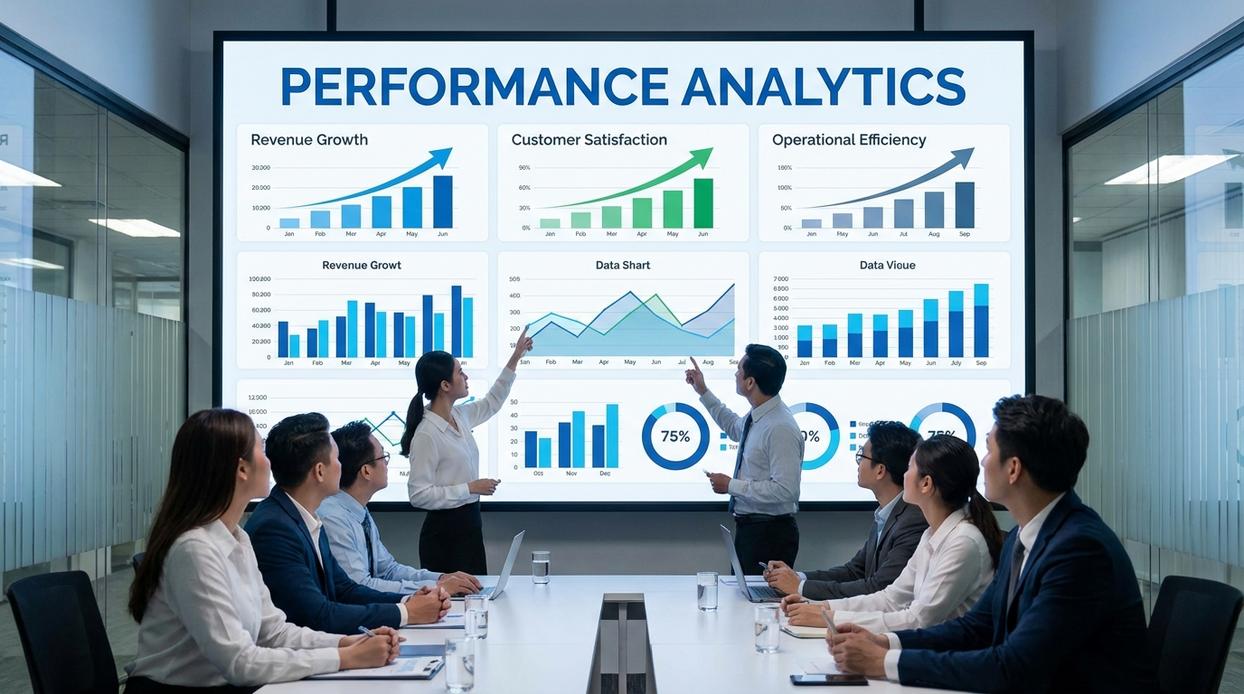
Before you can improve performance, you need to measure it. Think of your personal performance dashboard as mission control (yes, very NASA—but practical). It’s the system you use to collect, interpret, and act on training data.
Choosing Your Tools
Start simple. Wearables like smartwatches and chest-strap heart rate monitors provide reliable heart rate and pace data. Notably, chest straps remain the gold standard for heart rate accuracy during high-intensity efforts, with studies showing they outperform wrist-based monitors during variable movement (Journal of Sports Sciences, 2019). Meanwhile, smartphone apps can track pace, distance, and even estimate VO2 max using performance algorithms.
You don’t need everything. You need consistency.
Key Metrics for Endurance Athletes
For endurance athletes, focus on:
- VO2 max estimates (a measure of how much oxygen your body can use during exercise)
- Heart rate zones (intensity ranges based on max heart rate)
- Pace (speed per mile or kilometer)
- Cadence (steps per minute)
Research shows training within specific heart rate zones improves aerobic efficiency and reduces overtraining risk (American College of Sports Medicine). That’s the backbone of data driven training for athletes.
Key Metrics for Strength Athletes
Strength athletes should track:
- One-rep max (1RM) estimates
- Total volume (sets × reps × weight)
- Bar speed (velocity of the lift)
Velocity-based training research indicates bar speed loss correlates with fatigue, helping athletes autoregulate intensity (Sports Medicine, 2020).
For deeper insight into applied methods, explore strength and conditioning secrets from top coaches.
The Power of Consistency
However, more data isn’t better—better data is better. Tracking three to five key metrics consistently establishes a baseline. From there, progress becomes measurable, repeatable, and far less guesswork (because guessing isn’t a strategy).
Step 2: Translating Raw Numbers into Actionable Insights
Raw metrics mean nothing if they don’t change how you train. I’ve seen athletes obsess over dashboards yet ignore the obvious pattern staring back at them. Identifying trends and correlations is where performance actually moves. For example, if your sleep drops below seven hours and your power output dips 5–8% the next day, that’s not random—that’s physiology (sleep loss reduces glycogen restoration and reaction time, according to research published in Sports Medicine). Patterns like this should guide decisions, not vibes.
Pinpointing weaknesses is even more revealing. Maybe your heart rate spikes disproportionately on inclines, suggesting aerobic inefficiency. Or your form collapses after 12 reps, exposing a muscular endurance gap. Numbers don’t lie—but they do require interpretation (and a little humility).
Then there’s automating load management. Readiness scores built from HRV (heart rate variability, a marker of nervous system balance) and sleep data can signal when to chase a PR and when to schedule active recovery. Some argue this removes instinct from training. I disagree. Smart, data driven training for athletes blends intuition with evidence. If your HRV tanks and resting heart rate climbs, pushing hard isn’t grit—it’s gambling. Pro tip: track trends over weeks, not days.
Putting It All Together: A Week in a Data-Driven Program
Most athletes think more effort equals more progress. However, effort without feedback is just noise.
Take the triathlete. On Monday, she reviews pace and heart rate data (heart rate: beats per minute, a proxy for effort) to recalibrate interval zones. By midweek, she’s adjusting carb intake based on previous long-session bonks—because race-day fueling isn’t guesswork; it’s tested. Some argue you should “train by feel.” Fair. But feel drifts when fatigue lies.
Meanwhile, the powerlifter tracks bar speed using velocity-based training (VBT)—measuring how fast the bar moves to auto-regulate load. If velocity drops, weight adjusts. Add video analysis to catch subtle knee cave in the squat, and small tweaks prevent big setbacks.
This is data driven training for athletes in the section once exactly as it is given.
Perform → Measure → Analyze → Adapt. In other words, progress becomes a loop, not a leap. And unlike hype cycles, loops actually compound.
Performance isn’t about pretty dashboards; it’s about better decisions. That’s the core principle. In other words, if your charts don’t change your training, they’re just digital wallpaper (and nobody needs that). Instead, use data driven training for athletes to build a system that adapts as you do. Some argue generic plans work fine. Sometimes, they do. But your sleep, stress, and recovery aren’t generic. So, first, track one metric daily for 14 days—sleep duration or easy-run heart rate. Next, look for one pattern. Finally, make one small adjustment—earlier bedtime or slower pace. Small tweaks compound (think Rocky training montage). Consistency.
Take Control of Your Athletic Performance Today
You came here looking for clarity on how to improve performance, fuel your body correctly, and recover smarter. Now you understand how training structure, proper nutrition, endurance development, and intentional recovery all work together to unlock your full potential.
The biggest frustration for most athletes isn’t effort — it’s uncertainty. You train hard, but without the right strategy, progress stalls, injuries creep in, and motivation drops. That’s exactly why data driven training for athletes changes the game. When your workouts, fueling, and recovery are guided by measurable insight instead of guesswork, every session moves you forward.
Now it’s time to act. Start applying these principles to your weekly training plan. Track your performance metrics. Dial in your recovery. Be intentional with your nutrition.
If you’re serious about breaking plateaus and maximizing results, explore our expert-backed resources trusted by thousands of athletes who rely on proven, science-based strategies. Don’t let inconsistent progress hold you back — take the next step today and train smarter starting now.
 Founder & Chief Performance Strategist
Ask Tylisia Mornelle how they got into pro insights and you'll probably get a longer answer than you expected. The short version: Tylisia started doing it, got genuinely hooked, and at some point realized they had accumulated enough hard-won knowledge that it would be a waste not to share it. So they started writing.
What makes Tylisia worth reading is that they skips the obvious stuff. Nobody needs another surface-level take on Pro Insights, Fitness Nutrition Planning, Athletic Health Fundamentals. What readers actually want is the nuance — the part that only becomes clear after you've made a few mistakes and figured out why. That's the territory Tylisia operates in. The writing is direct, occasionally blunt, and always built around what's actually true rather than what sounds good in an article. They has little patience for filler, which means they's pieces tend to be denser with real information than the average post on the same subject.
Tylisia doesn't write to impress anyone. They writes because they has things to say that they genuinely thinks people should hear. That motivation — basic as it sounds — produces something noticeably different from content written for clicks or word count. Readers pick up on it. The comments on Tylisia's work tend to reflect that.
Founder & Chief Performance Strategist
Ask Tylisia Mornelle how they got into pro insights and you'll probably get a longer answer than you expected. The short version: Tylisia started doing it, got genuinely hooked, and at some point realized they had accumulated enough hard-won knowledge that it would be a waste not to share it. So they started writing.
What makes Tylisia worth reading is that they skips the obvious stuff. Nobody needs another surface-level take on Pro Insights, Fitness Nutrition Planning, Athletic Health Fundamentals. What readers actually want is the nuance — the part that only becomes clear after you've made a few mistakes and figured out why. That's the territory Tylisia operates in. The writing is direct, occasionally blunt, and always built around what's actually true rather than what sounds good in an article. They has little patience for filler, which means they's pieces tend to be denser with real information than the average post on the same subject.
Tylisia doesn't write to impress anyone. They writes because they has things to say that they genuinely thinks people should hear. That motivation — basic as it sounds — produces something noticeably different from content written for clicks or word count. Readers pick up on it. The comments on Tylisia's work tend to reflect that.