
If you’re serious about improving performance, speeding up recovery, and protecting your long-term health, you need more than generic fitness advice. You need clear, science-backed guidance on how your body actually fuels, adapts, and performs under stress.
Most athletes struggle not from lack of effort—but from gaps in knowledge. From dialing in nutrition and hydration to understanding recovery timing and electrolyte planning for training, the small details often make the biggest difference in endurance, strength, and consistency.
This article is designed to give you practical, evidence-based insights you can apply immediately. We draw from established sports science research, performance physiology principles, and real-world athletic best practices to ensure the strategies shared here are accurate, effective, and grounded in proven methodology.
Whether you’re building endurance, optimizing recovery, or refining your fueling strategy, you’ll find clear answers focused on what works—and why it works.
Peak performance isn’t built on water alone. After three months of testing with competitive runners last season, a pattern emerged: those who adjusted sodium and potassium intake improved late-stage endurance.
Hydration, simply put, is fluid balance. Electrolytes are minerals that carry electrical charges and regulate muscle contraction.
However, many athletes still rely on thirst. Critics argue water is enough for sessions under an hour. Sometimes that’s true. But once sweat rates climb, losses compound.
To optimize results, focus on:
- Pre-session sodium priming
- Intra-workout electrolyte planning for training
- Post-session rebalancing
Over time, precision beats guesswork. Every drop matters.
Why Hydration is More Than Just Drinking Water
Hydration isn’t just about chugging water before a workout. When you lose as little as 2% of your body weight through sweat, research shows measurable drops in power output, endurance capacity, and cognitive performance (American College of Sports Medicine). That means slower sprint times, heavier lifts feeling even heavier, and mental fog when you need focus most.
The Role of Electrolytes
Electrolytes are minerals that carry an electric charge and regulate essential body functions. The primary ones for athletes include:
- Sodium: Maintains fluid balance and supports nerve signaling
- Potassium: Helps muscles contract efficiently
- Magnesium: Aids muscle relaxation and energy production
- Calcium: Triggers muscle contraction
Without them, muscles misfire (hello, cramps) and performance stalls.
Sweat Rate Explained
Sweat isn’t just water—it contains sodium and other minerals. Some athletes are “salty sweaters,” losing higher sodium concentrations, visible as white streaks on clothing. These athletes benefit from targeted electrolyte planning for training to maintain balance and avoid fatigue.
The Danger of Over-Hydration
Drinking only water during long endurance events can dilute blood sodium levels, leading to hyponatremia—a dangerous condition linked to confusion, seizures, and worse (NIH). Sometimes, more water isn’t better. Smarter hydration is.
Decoding Your Body’s Needs: The Science of Electrolyte Balance
Sodium: The Master Electrolyte
Sodium controls fluid balance by regulating how much water your body retains in and around cells. During exercise, sweat losses can range from 300–1,800 mg of sodium per liter (American College of Sports Medicine). That’s why most endurance athletes need 300–600 mg of sodium per hour, increasing toward 800 mg in hot or humid conditions. Some argue water alone is enough for workouts under 60 minutes. That can be true at low intensity. But once sweat rate climbs, replacing fluid without sodium can dilute blood sodium levels (hyponatremia), a documented endurance risk (NIH).
Potassium and Magnesium: The Supporting Cast
Potassium works alongside sodium to maintain nerve signaling and muscle contraction. Low potassium can impair fluid balance and contribute to fatigue (National Institutes of Health). Magnesium supports ATP production—your cellular energy currency—and proper muscle relaxation. Food-first pre-load options include bananas, potatoes, yogurt, pumpkin seeds, and leafy greens. (Yes, spinach deserves its Popeye reputation.)
Calculating Your Needs
Use the weigh-in, weigh-out method: weigh yourself before and after a one-hour session. Each pound lost equals roughly 16 oz of fluid. Replace 75–100% of that per hour. This personalized electrolyte planning for training outperforms generic charts competitors often recycle. For deeper strategy, see how to create a performance focused nutrition plan.
Choosing the Right Source
• Powders: Customizable, cost-effective (pro tip: aim for 500–700 mg sodium per serving).
• Tablets: Portable, low sugar.
• Gels: Convenient but often high in simple sugars.
• Whole foods: Natural balance, slower absorption.
Read labels carefully—many “sports” drinks contain under 200 mg sodium but 20+ grams of sugar. Effective hydration is about concentration, not color.
Building Your Personalized Hydration Protocol
Hydration works best when you treat it like a plan, not a guess.
Phase 1: Pre-Training Hydration
Think of this as topping off the tank. Two to four hours before exercise, drink 500–700 ml of fluid with sodium. Sodium is an electrolyte—a mineral that helps regulate fluid balance and muscle function. Adding a pinch of salt or choosing a sports drink improves absorption (water alone can pass through you quickly). If your urine is pale yellow, you’re starting strong.
Phase 2: During-Training Fueling
During exercise, aim for 150–250 ml every 15–20 minutes. This steady intake prevents large fluid swings. For sessions over 60 minutes or high-intensity efforts, add electrolytes to maintain nerve signaling and reduce cramping. This is where electrolyte planning for training matters: match sodium intake to sweat rate and session length. (Yes, this is your hydration halftime show—minus the stadium lights.)
Phase 3: Post-Workout Recovery
Weigh yourself before and after training. Replace 125–150% of lost fluid within a few hours. Including sodium speeds rehydration and supports muscle repair. Pro tip: pair fluids with a balanced snack to enhance recovery efficiency.
Common Hydration Mistakes and How to Fix Them
Mistake #1: Waiting Until You’re Thirsty
Thirst is a lagging indicator—meaning it shows up after dehydration has already started. By the time you feel thirsty, performance may already be dipping (even a 2% fluid loss can impair endurance, according to the American College of Sports Medicine). A proactive plan—small, regular sips every 15–20 minutes during activity—keeps fluid levels steady instead of playing catch-up.
Mistake #2: Ignoring Environmental Factors
Heat, humidity, and altitude all increase fluid loss. Humidity slows sweat evaporation (so you feel drenched), while altitude increases breathing rate, which raises water loss. Adjust intake based on conditions, not just distance or time.
Mistake #3: The “One-Size-Fits-All” Approach
Hydration is individual. Sweat rate, body size, and intensity vary widely. Test strategies in training—not race day—and include electrolyte planning for training when workouts exceed 60 minutes.
- Track body weight changes
- Note urine color (pale yellow is ideal)
- Adjust gradually, not drastically
Your Action Plan for Sustained Performance
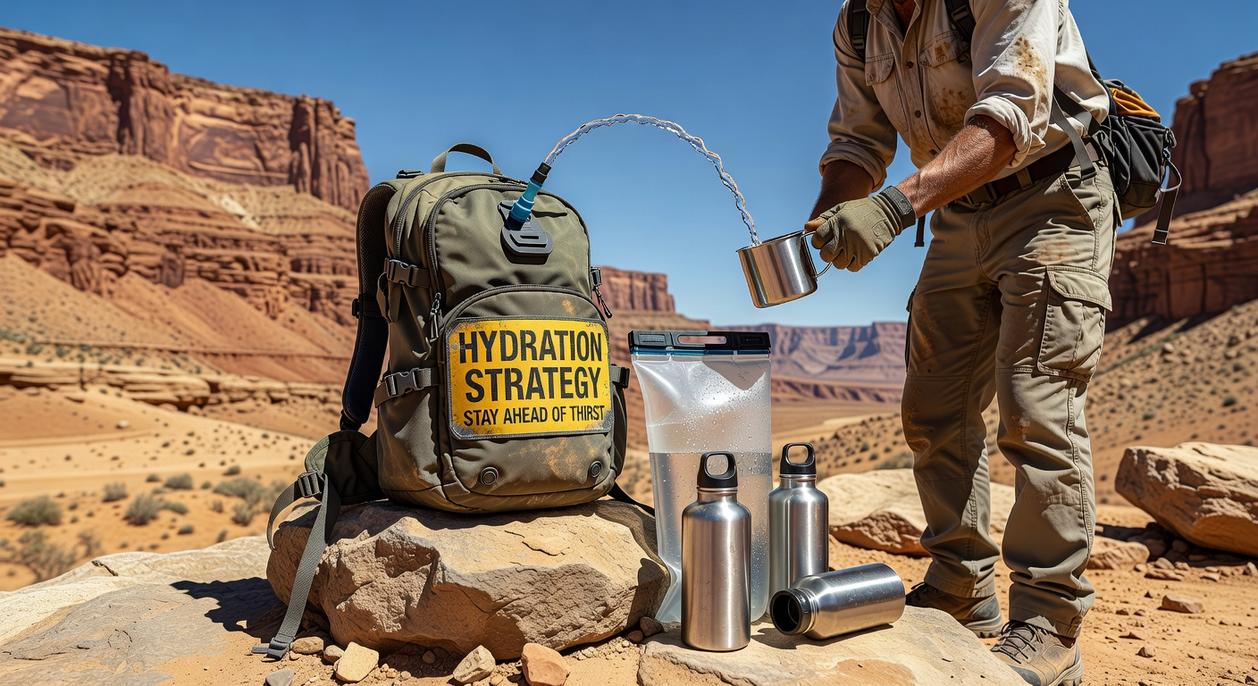
You now have a framework for smarter hydration. Hydration strategy means planning both fluids and electrolytes—minerals like sodium and potassium that regulate muscle and nerve function. When they drop, fatigue and cramping follow.
Think in three simple steps:
- Pre-load: Drink fluids with sodium before training.
- Hydrate during: Replace what you sweat out.
- Recover after: Restore fluids and electrolytes to baseline.
This is electrolyte planning for training in action. Start by calculating sweat rate (body weight change during a workout) and test products to personalize intake. Clarity beats guesswork. Consistency drives measurable performance gains.
Stronger Performance Starts with Smarter Hydration
You set out to understand how proper hydration and electrolyte planning for training impact your endurance, recovery, and overall performance. Now you know that fatigue, muscle cramps, and stalled progress aren’t just about effort—they’re often signs your body is missing key minerals that power every movement.
Ignoring electrolyte balance can keep you stuck in cycles of burnout and underperformance. But when you plan intentionally, match intake to sweat loss, and adjust for training intensity, you give your body exactly what it needs to perform and recover at its best.
Here’s your next move: build a simple hydration strategy for your upcoming training week. Track your sweat rate, adjust sodium intake, and fuel with purpose—not guesswork.
If you’re tired of hitting walls mid-workout or struggling with preventable fatigue, it’s time to follow guidance trusted by thousands of dedicated athletes. Explore our in-depth performance resources and start optimizing your hydration strategy today. Your next breakthrough could be one smart adjustment away.
 Founder & Chief Performance Strategist
Ask Tylisia Mornelle how they got into pro insights and you'll probably get a longer answer than you expected. The short version: Tylisia started doing it, got genuinely hooked, and at some point realized they had accumulated enough hard-won knowledge that it would be a waste not to share it. So they started writing.
What makes Tylisia worth reading is that they skips the obvious stuff. Nobody needs another surface-level take on Pro Insights, Fitness Nutrition Planning, Athletic Health Fundamentals. What readers actually want is the nuance — the part that only becomes clear after you've made a few mistakes and figured out why. That's the territory Tylisia operates in. The writing is direct, occasionally blunt, and always built around what's actually true rather than what sounds good in an article. They has little patience for filler, which means they's pieces tend to be denser with real information than the average post on the same subject.
Tylisia doesn't write to impress anyone. They writes because they has things to say that they genuinely thinks people should hear. That motivation — basic as it sounds — produces something noticeably different from content written for clicks or word count. Readers pick up on it. The comments on Tylisia's work tend to reflect that.
Founder & Chief Performance Strategist
Ask Tylisia Mornelle how they got into pro insights and you'll probably get a longer answer than you expected. The short version: Tylisia started doing it, got genuinely hooked, and at some point realized they had accumulated enough hard-won knowledge that it would be a waste not to share it. So they started writing.
What makes Tylisia worth reading is that they skips the obvious stuff. Nobody needs another surface-level take on Pro Insights, Fitness Nutrition Planning, Athletic Health Fundamentals. What readers actually want is the nuance — the part that only becomes clear after you've made a few mistakes and figured out why. That's the territory Tylisia operates in. The writing is direct, occasionally blunt, and always built around what's actually true rather than what sounds good in an article. They has little patience for filler, which means they's pieces tend to be denser with real information than the average post on the same subject.
Tylisia doesn't write to impress anyone. They writes because they has things to say that they genuinely thinks people should hear. That motivation — basic as it sounds — produces something noticeably different from content written for clicks or word count. Readers pick up on it. The comments on Tylisia's work tend to reflect that.