
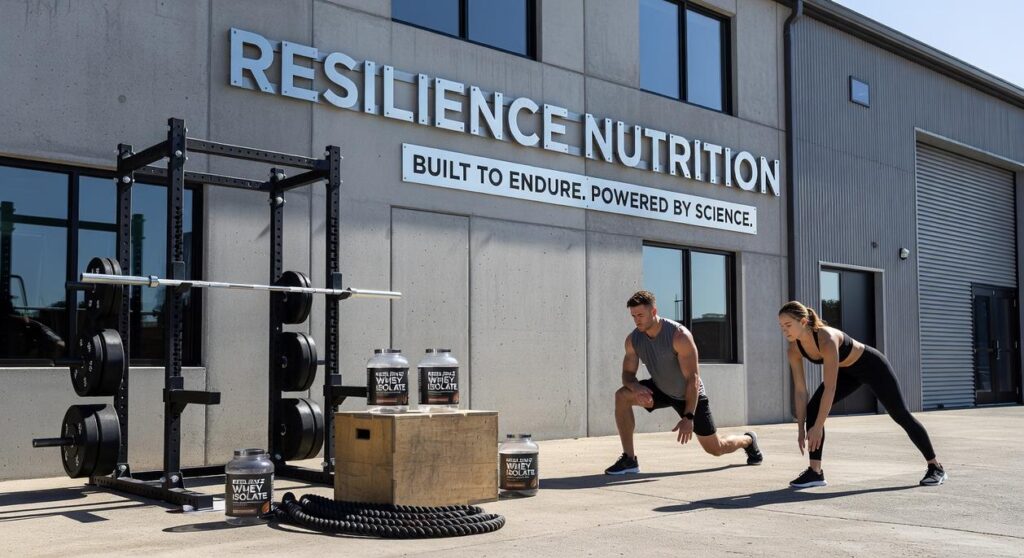
Staying active shouldn’t mean constantly sidelined by preventable injuries. If you’re searching for clear, practical guidance on building a stronger, more resilient body, this article is designed for you. We break down the essentials of sports injury prevention basics, helping you understand how smart training, proper nutrition, and effective recovery strategies work together to protect your performance.
Athletes at every level face the same challenge: pushing hard enough to improve without pushing so hard that they break down. Here, you’ll find evidence-based insights drawn from established sports medicine research and best practices used by performance professionals. We focus on what actually reduces injury risk—mobility, strength balance, load management, and recovery protocols—so you can train with confidence.
By the end, you’ll have a clear framework for preventing common setbacks, optimizing endurance, and supporting long-term athletic health without overcomplicating your routine.
An injury-proof body isn’t a myth—it’s a method. This blueprint distills sports injury prevention basics into clear, repeatable habits that protect your progress and amplify performance. Start with dynamic warm-ups (think controlled leg swings and light acceleration drills) to prime muscles and joints. Layer in strength training to build resilient tendons and balanced movement patterns. Prioritize mobility and recovery—sleep, hydration, and smart deload weeks—to let adaptation happen.
What’s in it for you? Fewer setbacks, steadier gains, and the confidence to train hard without fear. Consistency compounds. When your body feels durable, every workout becomes an investment, not a gamble long-term.
The Non-Negotiable Warm-Up: Priming Your Body for Performance
If you skip your warm-up, you’re not saving time—you’re INCREASING RISK. Research shows dynamic stretching improves power and sprint performance, while prolonged static stretching before activity can temporarily reduce strength output (Behm & Chaouachi, 2011). Dynamic movements—like leg swings and arm circles—boost blood flow, elevate core temperature, and improve mobility. Static stretching? Save it for post-workout recovery.
Movement activation is equally critical. Glute bridges and band walks “wake up” stabilizer muscles so primary movers (like quads and hamstrings) don’t overcompensate. EMG studies show targeted activation drills improve muscle firing patterns, reinforcing sports injury prevention basics.
Sample 5-Minute Routine:
- 30 sec jumping jacks
- 10 leg swings each side
- 10 arm circles each direction
- 12 glute bridges
- 10 lateral band walks each way
According to the CDC, proper warm-ups help reduce strain-related injuries (https://www.cdc.gov/physicalactivity/basics/adding-pa/index.htm). Train SMART. Stay READY.
Building Your Armor: Why Strength Training is Your Best Defense
Strength training, in my opinion, is less about six-pack abs and more about building armor. When you lift with intent, you develop muscle and connective tissue (the tendons and ligaments that anchor muscle to bone) that act like shock absorbers. Life—and sports—throw force at you. Strength helps you absorb it instead of crumbling.
Some argue mobility or cardio matters more. I disagree. Cardio boosts endurance, sure, but without strength, your joints take the hit. Think of compound movements—exercises that use multiple joints and muscle groups at once—like squats, deadlifts, and presses. They teach your body to coordinate under load, which is far more protective than isolated curls.
Equally important, we can’t ignore imbalances. Most injuries stem from one side overworking or the posterior chain (glutes and hamstrings) lagging behind. That’s why I program:
- Lunges and split squats
- Single-arm rows
- Glute bridges and hamstring curls
These reinforce sports injury prevention basics while correcting weak links.
Pro tip: prioritize form before adding weight; sloppy reps build bad armor. Over time, balanced strength becomes your best defense—quietly, reliably, like a well-fitted helmet. And yes, it pays off long before you notice. Trust me.
Fueling for Resilience: Nutrition and Hydration Fundamentals
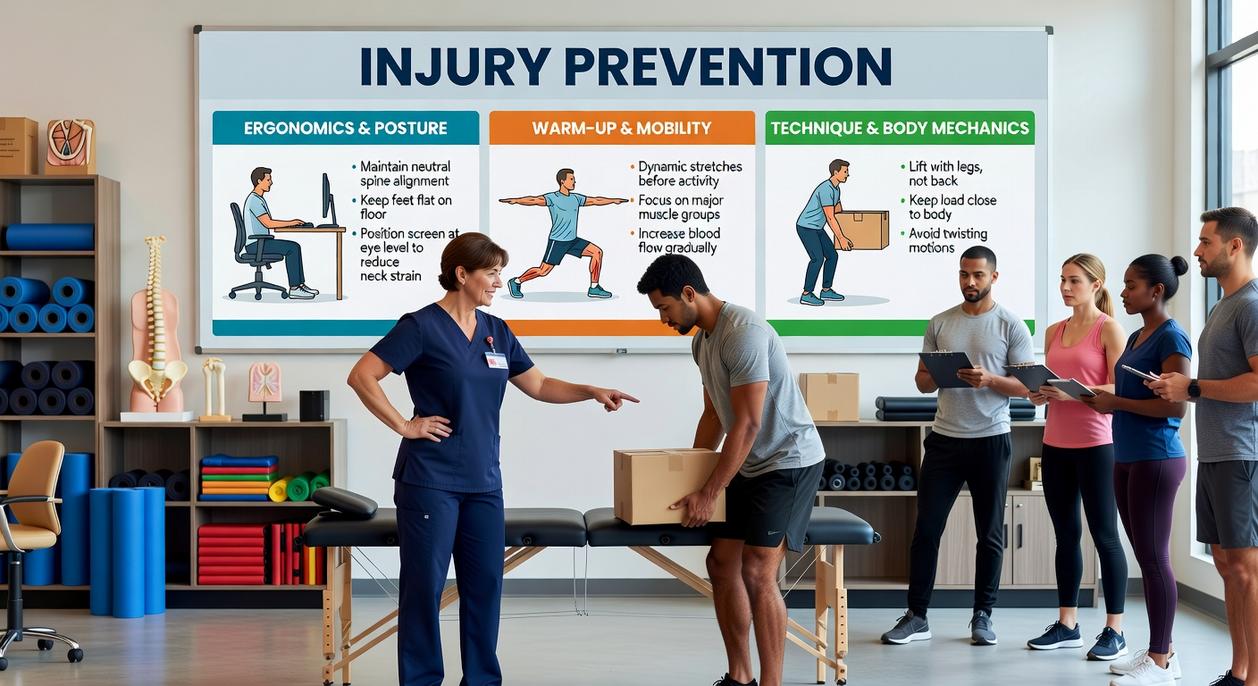
Resilient athletes aren’t just built in the gym—they’re built in the kitchen. What you eat and drink directly affects how well your body withstands training stress.
Protein for Tissue Repair
Exercise creates tiny tears in muscle fibers (a normal, necessary process). Protein supplies amino acids—the building blocks your body uses to rebuild those fibers stronger than before. Without adequate intake, recovery slows and overuse injuries become more likely. Aim to include protein in every meal to support consistent repair.
Carbohydrates for Energy
Carbs fuel working muscles. When glycogen (stored carbohydrate) runs low, fatigue sets in—and form breaks down. Think of a runner’s stride collapsing late in a race. Proper fueling helps maintain technique, a key principle in sports injury prevention basics.
Hydration’s Critical Role
Dehydration thickens blood, limits nutrient delivery, and reduces joint lubrication. Even mild fluid loss can increase strain on tendons and ligaments.
For deeper movement context, explore understanding mobility vs flexibility in sports performance.
Recovery is where performance is rebuilt, not just restored. During deep sleep cycles, the body releases growth hormone, a powerful chemical messenger that drives tissue repair and muscular adaptation according to the National Sleep Foundation. In other words, “get eight hours” is only part of the story. You need consistent, high-quality sleep so your body can complete full cycles of slow-wave sleep, when repair peaks.
Meanwhile, active recovery keeps you moving without adding strain. Active recovery means light walking, easy swimming, gentle cycling, or foam rolling performed at low intensity. These sessions increase blood flow, helping clear metabolic waste like lactate and reducing delayed onset muscle soreness, or DOMS. Think of it as maintenance mode rather than grind mode. Pro tip: keep effort below 60 percent of your max heart rate to avoid turning recovery into another workout.
Just as importantly, rest days are nonnegotiable. Fitness gains happen during recovery, not during the workout itself. Without adequate downtime, overtraining becomes a direct path to injury, fatigue, and stalled progress. Use sports injury prevention basics in the section once exactly as it is given
So what’s next? Start tracking sleep quality, schedule at least one full rest day weekly, and rotate hard sessions with lighter ones. Then ask yourself: are you recovering with the same intention you train? That shift may be the edge that keeps you strong all season.
Your Body’s Early Warning System: Listening to Signals
First, let’s define DOMS—Delayed Onset Muscle Soreness. It’s that dull, widespread ache 24–72 hours after a tough workout (the “I earned this” feeling). In contrast, sharp, localized, or persistent pain—especially if it worsens with movement—is your body waving a red flag. Think of it like the difference between Rocky’s training montage and a scene where someone actually breaks a rib.
However, more is not always better. Consistency beats all-out intensity. In fact, following sports injury prevention basics means resting when signals flare. Pro tip: if pain changes your form, stop immediately.
We’ve covered a lot, but here’s the truth: prevention only works when it becomes routine. Many athletes argue that talent or sheer effort matters more than structured habits. Others insist they don’t have time for long warm-ups or recovery blocks. Fair points. However, research shows consistent strength training and proper warm-ups significantly reduce injury risk (CDC). In other words, sports injury prevention basics aren’t optional extras—they’re your armor. By weaving mobility, smart nutrition, and recovery into daily training, you build a system that bends, not breaks. So start small. Pick one pillar and commit to it for 30 days straight.
Stay Strong, Train Smart, Perform Better
You came here to understand how to protect your body, train smarter, and stay consistent without setbacks. Now you have a clear foundation rooted in sports injury prevention basics—from proper warm-ups and recovery protocols to smart progression and nutrition support.
Injuries don’t just cause pain. They interrupt momentum, stall progress, and force you to rebuild what you’ve already worked hard to earn. That frustration is avoidable when you apply the right strategies consistently.
The key is action. Start implementing these prevention techniques in your weekly routine. Prioritize mobility, recovery, and structured training over shortcuts. Small adjustments now can save months of downtime later.
If you’re serious about staying injury-free and performing at your peak, explore our expert-backed training and recovery resources today. Athletes trust us for practical, science-driven guidance that delivers real results. Take control of your performance—start building a stronger, more resilient body now.
 Founder & Chief Performance Strategist
Ask Tylisia Mornelle how they got into pro insights and you'll probably get a longer answer than you expected. The short version: Tylisia started doing it, got genuinely hooked, and at some point realized they had accumulated enough hard-won knowledge that it would be a waste not to share it. So they started writing.
What makes Tylisia worth reading is that they skips the obvious stuff. Nobody needs another surface-level take on Pro Insights, Fitness Nutrition Planning, Athletic Health Fundamentals. What readers actually want is the nuance — the part that only becomes clear after you've made a few mistakes and figured out why. That's the territory Tylisia operates in. The writing is direct, occasionally blunt, and always built around what's actually true rather than what sounds good in an article. They has little patience for filler, which means they's pieces tend to be denser with real information than the average post on the same subject.
Tylisia doesn't write to impress anyone. They writes because they has things to say that they genuinely thinks people should hear. That motivation — basic as it sounds — produces something noticeably different from content written for clicks or word count. Readers pick up on it. The comments on Tylisia's work tend to reflect that.
Founder & Chief Performance Strategist
Ask Tylisia Mornelle how they got into pro insights and you'll probably get a longer answer than you expected. The short version: Tylisia started doing it, got genuinely hooked, and at some point realized they had accumulated enough hard-won knowledge that it would be a waste not to share it. So they started writing.
What makes Tylisia worth reading is that they skips the obvious stuff. Nobody needs another surface-level take on Pro Insights, Fitness Nutrition Planning, Athletic Health Fundamentals. What readers actually want is the nuance — the part that only becomes clear after you've made a few mistakes and figured out why. That's the territory Tylisia operates in. The writing is direct, occasionally blunt, and always built around what's actually true rather than what sounds good in an article. They has little patience for filler, which means they's pieces tend to be denser with real information than the average post on the same subject.
Tylisia doesn't write to impress anyone. They writes because they has things to say that they genuinely thinks people should hear. That motivation — basic as it sounds — produces something noticeably different from content written for clicks or word count. Readers pick up on it. The comments on Tylisia's work tend to reflect that.