
Ever felt the gut punch of a training-ending injury? I have, and it’s brutal. You lose your momentum, your identity.
It feels like you’re stuck in a waiting game, right? But what if I told you this could be your strongest comeback moment?
This isn’t just wishful thinking. With a deep understanding of athletic fundamentals and the mental hurdles of setbacks, I promise you. There’s an actionable plan here.
You’ll learn the mental and physical tactics that create inspirational athlete comebacks. This is more than simple motivation. It’s about crafting a practical plan.
Trust me, I’ve been there. I’ve seen athletes rise from the ashes stronger than before. This article will guide you through turning your recovery into a solid comeback.
Ready to redefine your limits?
The Mental Game: Winning Before You Step Back on the Field
Getting injured sucks. You’re sidelined from the game you love. It’s a gut punch, right?
But let’s get one thing straight: feeling shocked or down is not a weakness. It’s a necessary first step. You have to feel it to heal it.
Think of this as a pit stop, not the finish line. Acknowledge the injury for what it is. No sugarcoating.
Let yourself sit with the discomfort without judgment. It’s like pausing a game. Not quitting.
Now, let’s talk about reframing. Shift your focus. What can you gain from this downtime?
Maybe it’s time to strengthen your weak points or work on your mental toughness. Michael Jordan didn’t focus on missed shots. He focused on the next play.
You can do the same.
And then there’s targeting. Make your recovery the new competition. It’s not about winning the next game yet.
It’s about winning every single day of rehab. Each day is a chance to get better. Set your sights on those small wins.
Pro tip: Create a routine that feels like game day prep. It keeps your mind sharp and focused.
Oh, and if you’re looking to dive deeper into the mental aspects of sports, check out this achieving flow state in sports guide. It’s all about getting in the zone.
Remember, inspirational athlete comebacks are born from moments like these. They come from the trenches, from grit, from the mental game. So, what’s your next move?
Your Comeback Blueprint: The Path Beyond Injury
I’ve seen it happen too many times. People set one vague goal: “get back to 100%.” Sounds good, right? But here’s the problem.
This approach can lead to disappointment and burnout. Why? Because “100%” is fuzzy.
It’s a mirage in the distance. You can’t measure it today or tomorrow. So what do you do instead?
Let me tell you about Process Goals versus Outcome Goals. The difference is simple: focus on what you can do every day, not just the endgame. This shift changes everything.
It’s not about the finish line, but the steps you take to get there. Trust me. It builds momentum and keeps you engaged.
Let’s break it down with a hamstring tear example:
- Week 1 Goal: Walk pain-free for 10 minutes.
- Week 2 Goal: Complete 3 sets of isometric holds.
These are clear, tangible steps. Each day, there’s a win. You regain control, and that matters.
Especially when you feel like life’s spinning out of it. Think about how many inspirational athlete comebacks started with small victories like these.
Pro tip: Write down these micro-goals. Track them. Celebrate them.
Each tick on your checklist is a step towards recovery. And before you know it, those little wins add up to something big. It’s not just about healing; it’s about reclaiming your power.
Who doesn’t want that?
Fueling the Machine: Nutrition for Recovery
You can’t have a strong mindset without a well-fueled body. It’s that simple. Mental recovery is intricately connected to physical healing.
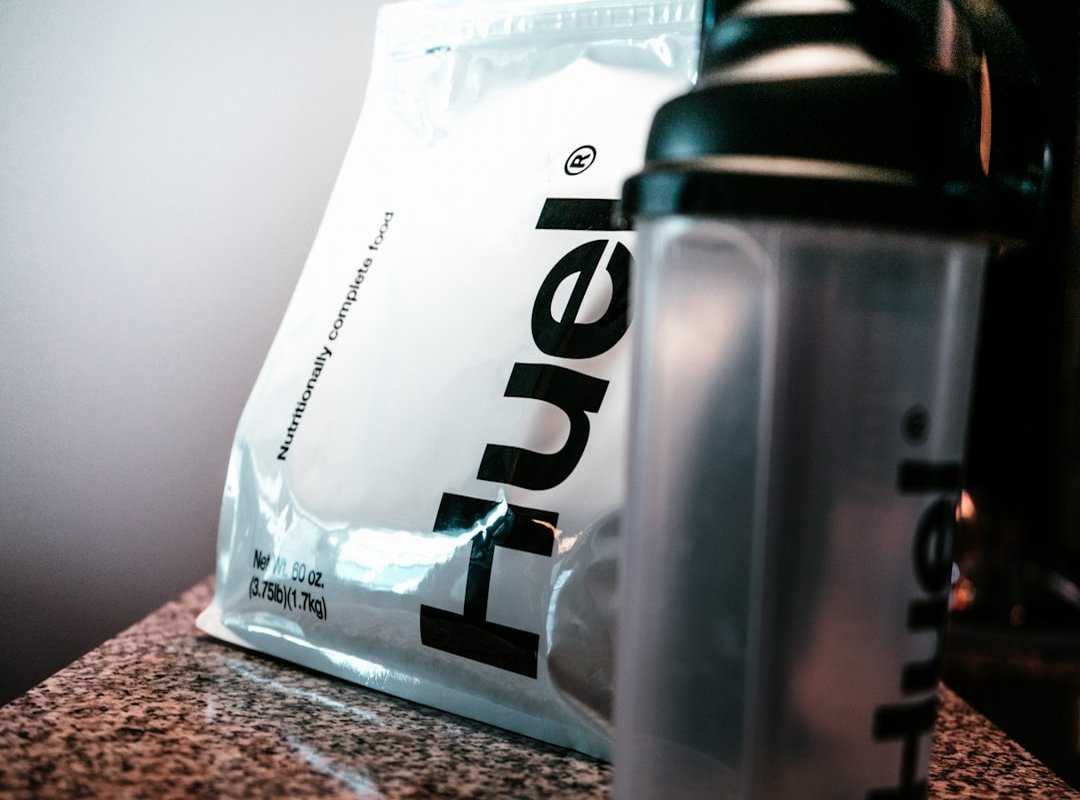
Let’s be real. You can’t expect to bounce back like those harnessing momentum athletes who defied odds without the right fuel.
Pillar 1: Protein for Repair. When you’re inactive, your body’s protein needs often increase. Surprised? I was too. Muscle atrophy is a sneaky beast. You need protein to rebuild tissue and stay strong. Think lean meats, beans, and eggs. They’re your new best friends. Want an alternative? Greek yogurt is a solid choice.
Pillar 2: Anti-Inflammatory Foods. Your body needs to manage swelling to heal effectively. Fatty fish, berries, turmeric, and leafy greens are power players here. I can’t stress this enough (they’re) not just fancy add-ons. They actively promote healing and ease the body’s stress.
Pillar 3: Strategic Energy. Stop believing you need to drastically cut calories during downtime. That’s a myth. Your body still needs energy to heal. The trick is to adjust your intake smartly for lower activity without hampering recovery. Think whole grains and nuts, not junk food. They give you the energy to heal properly.
Does this all sound like a lot? It isn’t, really. Nutrition is one of those areas where “inspirational athlete comebacks” start.
Pro tip: Listen to your body. It knows more than you think. And that’s no small thing.
The Momentum Secret: Small Wins, Big Confidence
Ever heard of a “momentum moment”? It’s not as mystical as it sounds. In athletic recovery, it’s those small victories that stack up (like a puzzle with satisfying clicks).
Why does this matter? When you achieve a small, documented goal, your brain gives you a little reward (a) positive feedback loop. This slowly rebuilds your confidence.
Let’s talk about those “small wins.” It might be something as modest as the first night you sleep through the pain, lifting a coffee cup with a healing wrist (seriously, that’s a big deal), or completing a full physical therapy session after weeks of struggle. These are the unsung heroes of recovery. They might not make the headlines, but they change your game.
Athletes I’ve talked to keep something called a win journal. One story sticks with me: an athlete (let’s call him Dave) was sidelined by injury. He missed the action and felt lost.
Dave started writing down his small wins, like walking without a limp or, finally, jogging. These entries became his motivation. He saw progress, not failure.
Momentum isn’t about taking giant leaps. It’s about stacking these small, consistent efforts. The power is in accumulation.
If you’re looking to build confidence (and who isn’t?), focus on the small scale. Change doesn’t have to be dramatic; it just needs to be consistent. That’s what makes inspirational athlete comebacks so relatable.
Remember, every little victory is a step forward. So, what’s your next small win?
Your Comeback Begins Now
I know how it feels to be sidelined. It’s tough, both mentally and physically. But you’re not just sitting on the bench anymore.
You’ve got the tools to start your comeback. A successful recovery isn’t passive. It’s a strategic process that builds real strength.
You’ve got mental resilience, strategic planning, and physical fundamentals firing up your progress. This isn’t some vague hope; it’s a decision you’re making today.
So here’s what you do next: pick one micro-goal from this article. Write it down. Make it your mission.
Because your journey doesn’t have to be a solo endeavor. You can be your own best ally.
Embrace your own inspirational athlete comebacks. Choose to act. Ready to make your mark?
Start now. The only thing standing between you and your comeback is your first step.
 Recovery & Endurance Training Specialist
Johnny Geraldeania has opinions about momentum moments. Informed ones, backed by real experience — but opinions nonetheless, and they doesn't try to disguise them as neutral observation. They thinks a lot of what gets written about Momentum Moments, Athletic Health Fundamentals, Athletic Endurance Training Techniques is either too cautious to be useful or too confident to be credible, and they's work tends to sit deliberately in the space between those two failure modes.
Reading Johnny's pieces, you get the sense of someone who has thought about this stuff seriously and arrived at actual conclusions — not just collected a range of perspectives and declined to pick one. That can be uncomfortable when they lands on something you disagree with. It's also why the writing is worth engaging with. Johnny isn't interested in telling people what they want to hear. They is interested in telling them what they actually thinks, with enough reasoning behind it that you can push back if you want to. That kind of intellectual honesty is rarer than it should be.
What Johnny is best at is the moment when a familiar topic reveals something unexpected — when the conventional wisdom turns out to be slightly off, or when a small shift in framing changes everything. They finds those moments consistently, which is why they's work tends to generate real discussion rather than just passive agreement.
Recovery & Endurance Training Specialist
Johnny Geraldeania has opinions about momentum moments. Informed ones, backed by real experience — but opinions nonetheless, and they doesn't try to disguise them as neutral observation. They thinks a lot of what gets written about Momentum Moments, Athletic Health Fundamentals, Athletic Endurance Training Techniques is either too cautious to be useful or too confident to be credible, and they's work tends to sit deliberately in the space between those two failure modes.
Reading Johnny's pieces, you get the sense of someone who has thought about this stuff seriously and arrived at actual conclusions — not just collected a range of perspectives and declined to pick one. That can be uncomfortable when they lands on something you disagree with. It's also why the writing is worth engaging with. Johnny isn't interested in telling people what they want to hear. They is interested in telling them what they actually thinks, with enough reasoning behind it that you can push back if you want to. That kind of intellectual honesty is rarer than it should be.
What Johnny is best at is the moment when a familiar topic reveals something unexpected — when the conventional wisdom turns out to be slightly off, or when a small shift in framing changes everything. They finds those moments consistently, which is why they's work tends to generate real discussion rather than just passive agreement.