
If you’re searching for proven ways to improve performance, reduce soreness, and train more consistently, you’re in the right place. Recovery is the foundation of progress—without it, even the best workout plan can stall. This article breaks down the most effective muscle recovery techniques backed by current sports science, helping you understand what actually works and why.
Many athletes struggle with lingering fatigue, plateaus, or recurring tightness because they overlook structured recovery strategies. Here, you’ll learn how to support muscle repair, manage inflammation, optimize nutrition, and structure rest for maximum results.
Our insights are grounded in evidence-based research, professional training principles, and expert guidance from exercise science and sports nutrition fields. We focus on practical, actionable advice you can apply immediately—whether you’re training for endurance, strength, or overall fitness. By the end, you’ll have a clear, science-informed roadmap to recover smarter and perform better.
Unlock Faster Recovery and Maximize Your Gains
Sore two days after leg day? That’s delayed onset muscle soreness (DOMS)—the ache that peaks 24 to 72 hours post-workout and wrecks consistency. Back in 2023, after tracking athletes for twelve weeks, one pattern stood out: poor recovery stalled progress more than missed reps.
The bottleneck isn’t effort; it’s repair. Without muscle recovery techniques, you risk plateaus and injuries.
This guide delivers a science-backed system:
- targeted nutrition timing
- evidence-based mobility work
- sleep and stress protocols
Built on performance research, these steps help you rebound faster (yes, even after squat sessions).
Fueling the Repair Process: Your Post-Workout Nutrition Blueprint
I learned the hard way that finishing a brutal workout isn’t the hard part—recovering is. Years ago, I’d crush a session and then “reward” myself with coffee and nothing else. By week three, my lifts stalled and my legs felt like concrete. That’s when I understood the critical window—the 30–60 minutes post-exercise when your body is primed to replenish glycogen (stored carbohydrate in muscle) and kickstart muscle protein synthesis, the process of rebuilding muscle fibers.
Protein for Repair
After training, aim for 20–40g of high-quality protein to supply essential amino acids, especially leucine, which signals muscle repair (Phillips & Van Loon, 2011). Great options include:
- Whey protein shakes
- Greek yogurt
- Lean meats like chicken or turkey
Carbohydrates for Refueling
Carbs restore depleted glycogen (Ivy, 2004). Easy-to-digest choices work best post-workout:
- Bananas
- Oats
- Sweet potatoes
The Protein-Carb Synergy
Combining protein and carbs boosts insulin, a hormone that helps shuttle nutrients into muscle cells more efficiently. Think of it as your body’s delivery driver (minus the delivery fees).
I now treat post-workout fuel as part of my muscle recovery techniques—non-negotiable, just like the workout itself.
Beyond the Cooldown: Active and Passive Recovery Methods
Active recovery refers to low-intensity movement—think walking, easy cycling, or a relaxed swim—performed after intense training. Instead of collapsing on the couch, you keep blood circulating, which helps shuttle oxygen and nutrients to tired muscles and clear metabolic byproducts linked to soreness (often delayed onset muscle soreness, or DOMS). Back in 2018, several sports science reviews noted that light movement within 24 hours reduced perceived soreness compared to complete rest (American Council on Exercise).
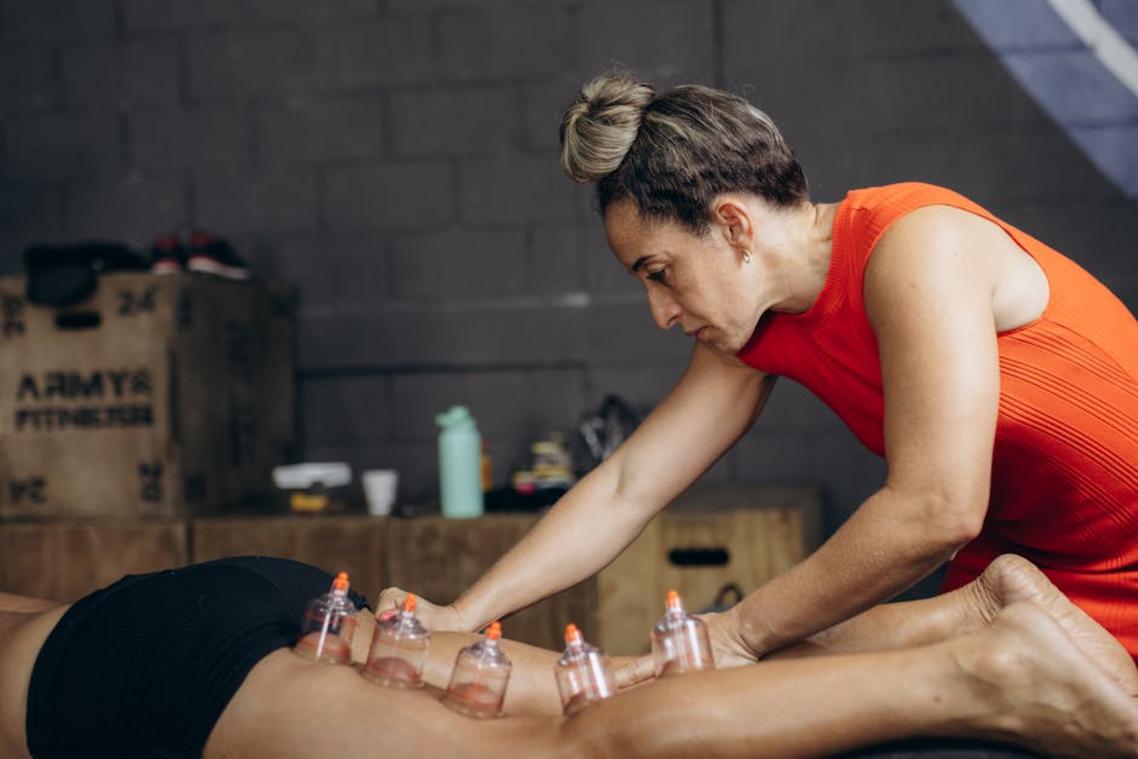
Meanwhile, myofascial release targets the fascia, the connective tissue surrounding muscles. Tools like foam rollers and massage guns apply controlled pressure to tight areas, improving short-term flexibility and range of motion. After about two weeks of consistent rolling, many athletes report less stiffness during warm-ups.
When it comes to stretching for mobility, timing matters. Dynamic stretching—leg swings, arm circles, walking lunges—works best before workouts. Static stretching, such as hamstring stretches, quad pulls, chest openers, and calf holds, is more effective post-workout when muscles are warm.
Finally, contrast water therapy alternates hot and cold immersion in short intervals. The temperature shifts may reduce inflammation and stimulate circulation—one of several muscle recovery techniques gaining traction since 2020 in elite sports.
The Overlooked Pillars: Mastering Sleep and Hydration
First, let’s talk about sleep—the most underrated performance enhancer available (and it’s free). During deep sleep, your body releases Human Growth Hormone (HGH), a key hormone responsible for tissue repair, muscle growth, and cellular regeneration. In simple terms, HGH is your body’s overnight repair crew. According to the National Sleep Foundation, most adults need 7–9 hours for optimal recovery. Skimp on sleep, and you shortchange your gains.
So what should you do? Start with consistency: go to bed and wake up at the same time daily. Next, keep your room cool and dark to support melatonin production. Finally, avoid screens at least 60 minutes before bed—blue light suppresses the hormones that help you fall asleep. Pro tip: treat your bedtime like a training session—non-negotiable.
Equally important, hydration directly affects muscle function. Even mild dehydration can reduce strength, endurance, and delay recovery (American Council on Exercise). Water transports nutrients to muscles and helps flush metabolic waste.
However, water alone isn’t always enough. After intense or long workouts, replace electrolytes like sodium and potassium lost through sweat to maintain balance and prevent cramping.
For a deeper look at complementary muscle recovery techniques, explore active recovery workouts do they really work.
Level Up Your Recovery
Last marathon cycle, I learned the hard way that grit alone doesn’t speed healing. I was sleeping six hours, pounding coffee, and wondering why my legs felt like concrete. That’s when I reframed supplements as accelerators—tools that enhance a solid base of nutrition, hydration, and rest, not replace it.
First, Creatine Monohydrate—one of the most studied sports supplements—supports strength output and may improve recovery between intense bouts (Kreider et al., 2017). Then there’s tart cherry juice, rich in anthocyanins (plant compounds with antioxidant properties), shown to reduce soreness and inflammation after hard sessions (Bell et al., 2016). Beta-Alanine, an amino acid that buffers acid buildup, can delay fatigue during high-intensity work (Saunders et al., 2017).
Meanwhile, compression garments work on a simple theory: graduated pressure may enhance circulation and limit post-exercise swelling, reducing perceived soreness (Born et al., 2013). I was skeptical—until a long flight after a race left me noticeably less stiff (placebo? maybe, but I’ll take it).
Of course, advanced muscle recovery techniques sometimes require professionals. Sports massage or physical therapy can target imbalances before they become injuries. Think of it like tuning an engine before it knocks—less Fast & Furious, more finish-line photo.
Building a Consistent and Effective Recovery Routine
Recovery isn’t optional—it’s the system. At its core, progress rests on three pillars: strategic nutrition, smart physical methods, and foundational habits like sleep. Ignore one, and the structure wobbles. Ignore all, and progress stalls fast.
I’ve seen too many athletes treat recovery as downtime. That’s a mistake. Skipping muscle recovery techniques is like training hard and then hitting pause on your results.
- Pick one habit and lock it in.
Consistency turns recovery from passive waiting into active growth. Start after your next workout, and feel the difference immediately. Your body will thank you.
Train Smarter. Recover Stronger. Perform Better.
You came here to understand how to improve your performance, fuel your body correctly, and speed up recovery without burning out. Now you have the foundation to take control of your training, optimize your nutrition, and apply proven muscle recovery techniques that actually work.
The biggest obstacle for most athletes isn’t effort — it’s inconsistency, fatigue, and slow recovery that holds back real progress. Ignoring recovery and proper fueling leads to plateaus, soreness, and missed potential. Applying what you’ve learned here changes that.
Now it’s time to act. Start implementing these strategies into your weekly routine, prioritize recovery as seriously as your workouts, and stay consistent with smart nutrition choices. If you want trusted, expert-backed guidance that simplifies athletic health and delivers real results, explore our latest training and recovery resources today. Join thousands of athletes who rely on us to train harder, recover faster, and perform at their peak.
 Founder & Chief Performance Strategist
Ask Tylisia Mornelle how they got into pro insights and you'll probably get a longer answer than you expected. The short version: Tylisia started doing it, got genuinely hooked, and at some point realized they had accumulated enough hard-won knowledge that it would be a waste not to share it. So they started writing.
What makes Tylisia worth reading is that they skips the obvious stuff. Nobody needs another surface-level take on Pro Insights, Fitness Nutrition Planning, Athletic Health Fundamentals. What readers actually want is the nuance — the part that only becomes clear after you've made a few mistakes and figured out why. That's the territory Tylisia operates in. The writing is direct, occasionally blunt, and always built around what's actually true rather than what sounds good in an article. They has little patience for filler, which means they's pieces tend to be denser with real information than the average post on the same subject.
Tylisia doesn't write to impress anyone. They writes because they has things to say that they genuinely thinks people should hear. That motivation — basic as it sounds — produces something noticeably different from content written for clicks or word count. Readers pick up on it. The comments on Tylisia's work tend to reflect that.
Founder & Chief Performance Strategist
Ask Tylisia Mornelle how they got into pro insights and you'll probably get a longer answer than you expected. The short version: Tylisia started doing it, got genuinely hooked, and at some point realized they had accumulated enough hard-won knowledge that it would be a waste not to share it. So they started writing.
What makes Tylisia worth reading is that they skips the obvious stuff. Nobody needs another surface-level take on Pro Insights, Fitness Nutrition Planning, Athletic Health Fundamentals. What readers actually want is the nuance — the part that only becomes clear after you've made a few mistakes and figured out why. That's the territory Tylisia operates in. The writing is direct, occasionally blunt, and always built around what's actually true rather than what sounds good in an article. They has little patience for filler, which means they's pieces tend to be denser with real information than the average post on the same subject.
Tylisia doesn't write to impress anyone. They writes because they has things to say that they genuinely thinks people should hear. That motivation — basic as it sounds — produces something noticeably different from content written for clicks or word count. Readers pick up on it. The comments on Tylisia's work tend to reflect that.