
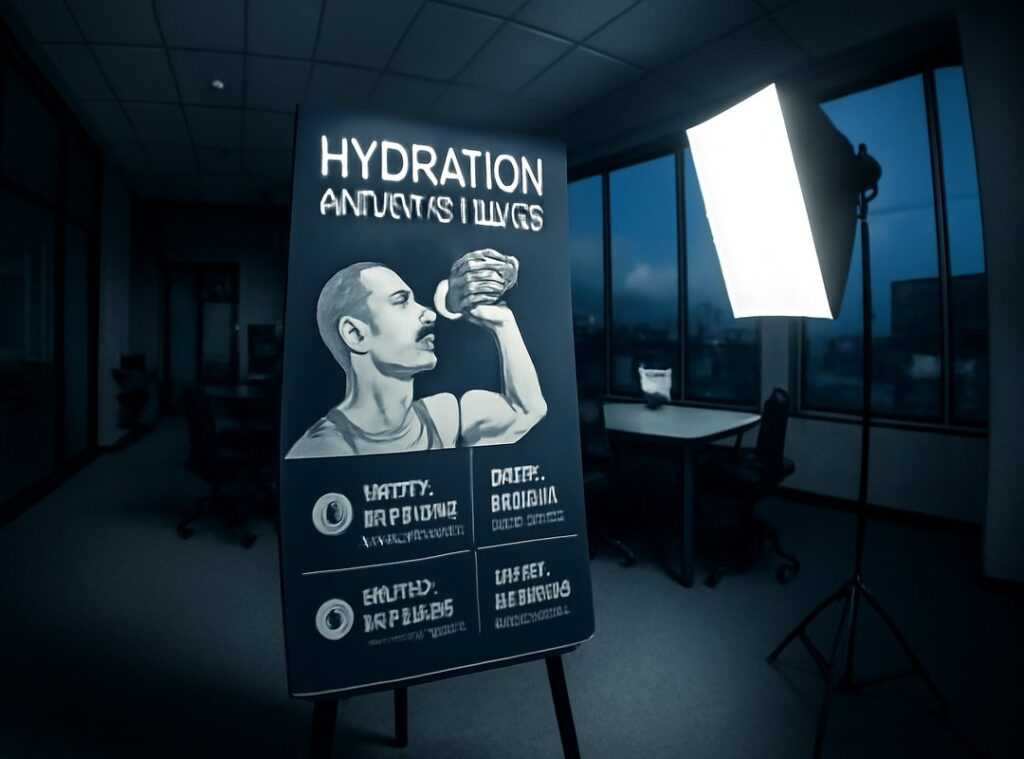
You know that feeling when you’re halfway through a workout and suddenly hit a wall? It’s like your muscles just give up. Chances are, dehydration is dragging you down.
Most athletes buy into the generic advice to “drink more water,” but that’s just not cutting it. Athletic performance is built on fundamentals. Hydration is one of the most confusing yet key pillars.
So why settle for vague advice when you can have a plan tailored to your needs? This isn’t just another hydration guide athletes skim through and forget. I promise it’s a no-nonsense approach with real tips.
It’s time to stop guessing and start knowing. You’ll learn how to hydrate based on your unique workout intensity and timing. Ready to boost your performance?
Let’s get started.
Why ‘8 Glasses a Day’ Falls Short for Athletes
Ever heard the “8 glasses a day” rule for water? It’s outdated, especially if you’re an athlete. That guideline is for couch potatoes, not those of us who sweat buckets.
Athletes lose more fluids. Sweat rate, workout intensity, and even climate change everything. Imagine sticking to a training plan meant for someone who just takes leisurely walks.
Ridiculous, right? So why would you follow a generic hydration guide?
One-size-fits-all hydration isn’t just useless. It’s dangerous. Cramping, poor recovery, performance declines.
These are real risks. You think you’re hydrated, but you’re really running on empty.
Let’s talk specifics. A hot day? You need more water.
An intense workout? Even more. And don’t forget your own body’s quirks.
We’re not all built the same. Some of us sweat like we’re in a sauna, others not so much.
Curious about fine-tuning your hydration? Check out how Macro Balancing Peak Athletic Output can help. It’s not just about drinking more.
It’s about drinking smart.
Make Your Hydration Personal: Two Easy Methods
So you want to know how much water you actually need? Good. Guessing’s out, let’s get real.
Method 1: The Sweat Rate Test. Weigh yourself with minimal clothing before you hit the gym or go for a run. Exercise for an hour. Note how much fluid you drink. Weigh yourself again in the same clothes. The difference? That’s your hourly sweat loss. It’s simple math (well, sorta). Subtract your post-workout weight from your pre-workout weight and add the fluid consumed. There’s your personal sweat rate. It’s like reading a hydration guide for athletes, only more specific to you.
Now for Method 2: The Daily Urine Check. Forget about fancy gadgets. Just check your urine color.
Aim for something like pale straw or lemonade. If it’s apple juice, well, guzzle some water. This is your best daily check-in tool.
It’s easy, and it tells you if you’re off course.
On non-training days, here’s a baseline: drink half your body weight in ounces. It’s not fancy, but it works. Let’s say you weigh 150 pounds, you’re looking at 75 ounces.
But remember, this number jumps when your workout’s in the picture (thanks, sweat rate test).
So, what’s the plan? Start using these methods. This isn’t just some trendy hydration guide for athletes.
It’s personal. Trust yourself with it. Your body knows what it needs; you just need to listen.
You got this.
Hydration: The Key to Peak Performance
When it comes to staying hydrated, it’s not just about guzzling water all day. Timing is everything. You wouldn’t show up to a marathon without training, right?
Same goes for hydration.
Pre-Workout Hydration is where it all begins. You want to start your workout fully hydrated. I recommend drinking 16-20 ounces of fluid 2-3 hours before you hit the gym. Then, add another 8 ounces about 20-30 minutes before you start moving. This sets you up for success. I mean, who wants to feel like a dried-out sponge halfway through a run?
During your workout, maintaining hydration is key. It’s about keeping that fluid deficit in check. A general rule?
Drink 7-10 ounces every 15-20 minutes. But let’s be real, everyone’s sweat rate is different. You’ve got to adjust based on what you lose.
Track it once, and you’ll know what you need. Trust me, it makes a difference.
Then comes the Post-Workout Recovery. Here, the ‘150% Rule’ is your friend. For every pound you lose during exercise, aim to drink 20-24 ounces of fluid.
This is the key window for recovery and muscle repair. Ignore it, and you’ll feel it tomorrow. Your body will thank you for rehydrating properly.
If you’re looking for more specific guidance, check out these supplement strategies boost performance. They can help fine-tune your approach. Hydration isn’t just a box to tick.
It’s your secret weapon in the athletic world. Use it wisely.
Beyond Water: Electrolytes and Carbs
Ever wonder why electrolytes are such a big deal for athletes? They’re minerals like sodium, potassium, and magnesium. They keep your muscles contracting and your body fluids in balance.
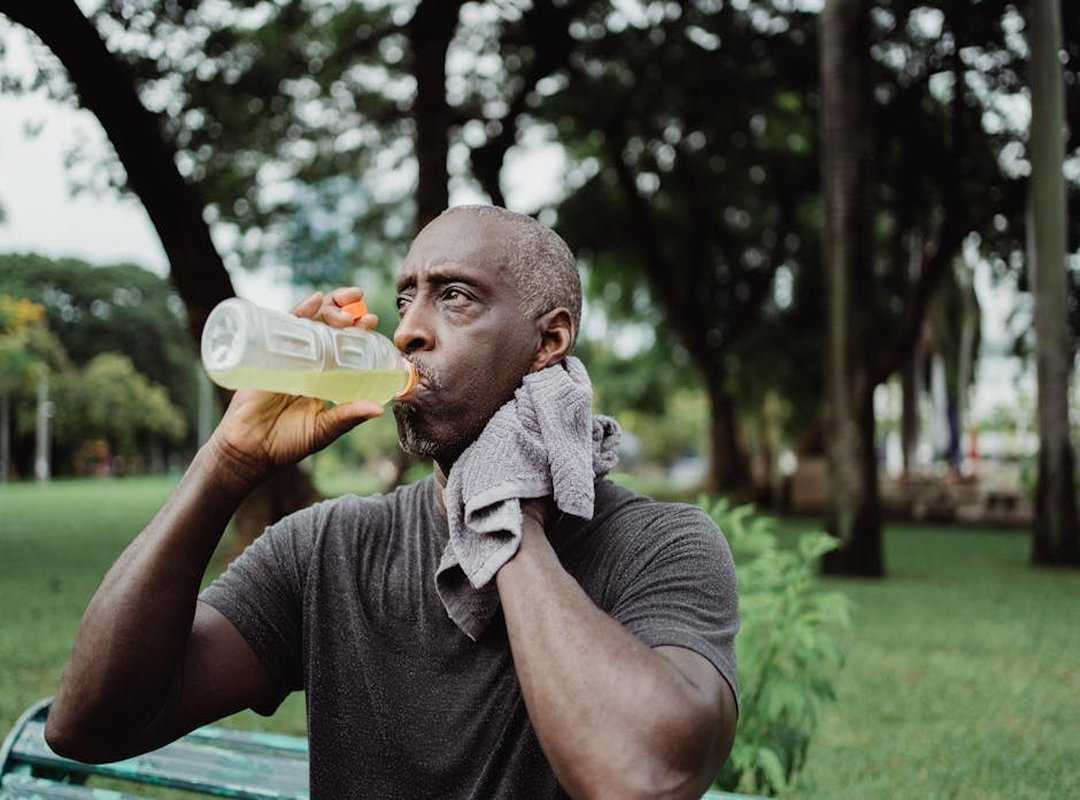
It’s not just hype. When you’re sweating buckets in a long workout, you need them. If your session lasts over 60-90 minutes, or you’re in extreme heat, it’s time to think electrolytes.
And for those of you who end up with a salty crust on your skin or clothes (you know who you are), they’re even more important.
Carbohydrates in sports drinks? They’re not just for taste. They help your body absorb fluids quicker and give you energy for those marathon sessions.
Think of them as your secret weapon for endurance.
So, where do you get these magical electrolytes? Sports drinks, electrolyte tablets, and powders are solid choices. But don’t overlook whole foods.
Bananas, salted nuts, and even pickle juice work wonders. Yes, pickle juice.
For more on keeping hydrated, check out this hydration guide athletes. Staying hydrated isn’t just about chugging water. It’s about balance.
And if you’re serious about your performance, you can’t ignore it.
Sabotage No More: Hydration Mistakes to Avoid
Let’s get straight to it. Mistake #1: Waiting Until You’re Thirsty. Thirst is late to the game. By the time you’re reaching for water, your performance is already down a notch or two. Does that surprise you?
It shouldn’t. Your body doesn’t send the thirst signal until it’s already in the red.
Mistake #2: Only Hydrating on Training Days. Hydration isn’t just a training day task. It’s a full-time gig. You can’t just tank up on game days and expect peak performance. It won’t cut it. Your body needs that consistent flow of water even on rest days. It’s part of the recovery puzzle.
Mistake #3: Overlooking Food as a Hydration Source. Here’s a pro tip: munch on fruits like watermelon or cucumbers. They’re water-rich and perfect hydration buddies. This is the kind of info every hydration guide athletes should stress. Keeping these mistakes in check will up your game.
Hydration: The Athlete’s Secret Weapon
You know what’s holding you back? Generic hydration strategies. They limit your potential.
But not anymore. You now have a personalized plan. Use your data (sweat rate, urine color) and timing (pre, during, post).
This proactive approach is what separates the serious athletes from the rest.
Don’t just take my word for it. Test your sweat rate during your next workout. Start building your hydration plan now.
It’s the fuel for your next breakthrough.
If you’re committed to your success, this hydration guide athletes is your next step. Ready to push your limits? Go for it.
 Founder & Chief Performance Strategist
Ask Tylisia Mornelle how they got into pro insights and you'll probably get a longer answer than you expected. The short version: Tylisia started doing it, got genuinely hooked, and at some point realized they had accumulated enough hard-won knowledge that it would be a waste not to share it. So they started writing.
What makes Tylisia worth reading is that they skips the obvious stuff. Nobody needs another surface-level take on Pro Insights, Fitness Nutrition Planning, Athletic Health Fundamentals. What readers actually want is the nuance — the part that only becomes clear after you've made a few mistakes and figured out why. That's the territory Tylisia operates in. The writing is direct, occasionally blunt, and always built around what's actually true rather than what sounds good in an article. They has little patience for filler, which means they's pieces tend to be denser with real information than the average post on the same subject.
Tylisia doesn't write to impress anyone. They writes because they has things to say that they genuinely thinks people should hear. That motivation — basic as it sounds — produces something noticeably different from content written for clicks or word count. Readers pick up on it. The comments on Tylisia's work tend to reflect that.