
Hitting a performance plateau is frustrating, isn’t it? You’re training hard, pouring in time and sweat, yet results seem stagnant. I’ve seen it too many times.
Athletes pushing their limits but missing the mark on one key thing: nutrition. What if I told you that the missing piece is macro balancing athletic output?
I come from a background of helping athletes open up their potential by focusing on foundational health and nutrition. It’s not just about workouts. Forget the latest fads and supplements.
This is a no-nonsense guide to optimizing overall athletic performance through balanced nutrition.
You’ll learn how to bridge the gap between hard training and peak performance. This article cuts through the noise to give you sustainable habits for long-term momentum. Ready to reach your true potential?
Let’s dive in.
Fueling Momentum: Why Balanced Nutrition is Non-Negotiable
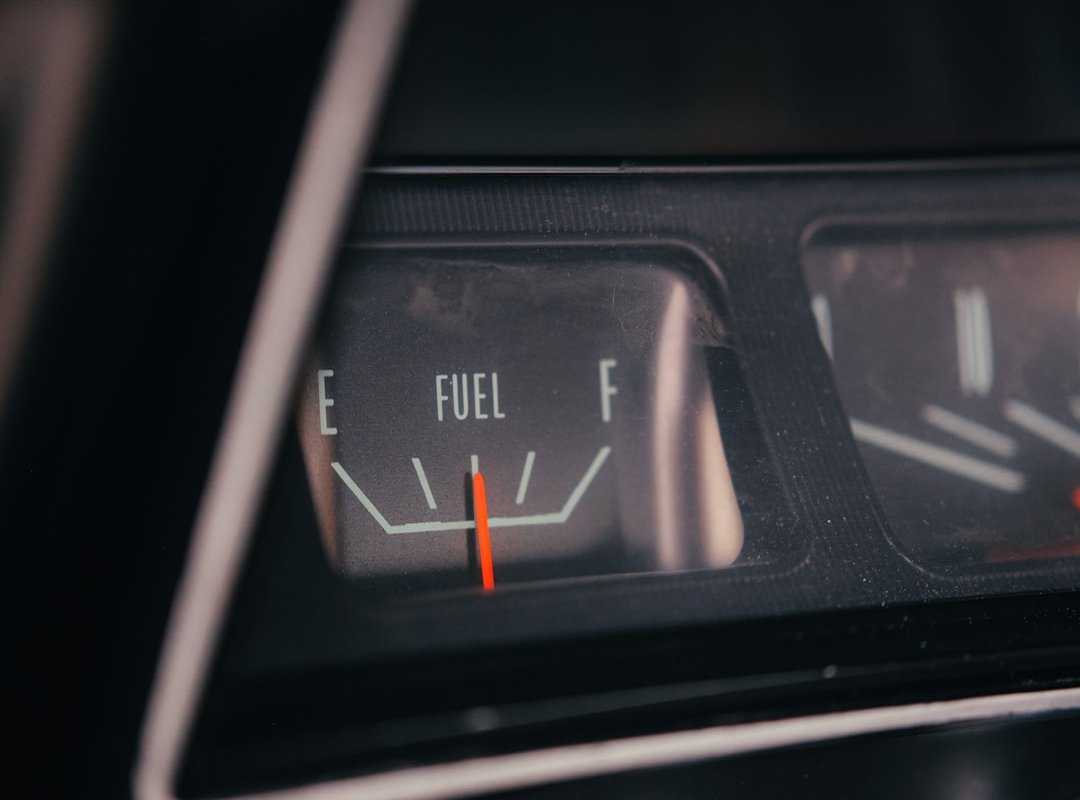
Let’s get straight to it. Food is fuel. If you’re an athlete, you need to be picky about what goes into your tank.
Think of yourself as a high-performance car. Would you dump cheap gas into a Ferrari? Of course not.
Your body deserves premium fuel too. This is where balanced nutrition comes in. It’s not just about eating more; it’s about eating right.
Why does this matter? Energy, recovery, and endurance. That’s why.
You need the right mix to power through workouts, repair those muscles, and keep your body humming. Nutrition isn’t just about calories. It’s about the quality and balance.
That’s macro balancing athletic output for you.
So, what are we talking about when we say “balance”? Carbs, proteins, fats. These macronutrients are your main energy sources.
Carbs give you the immediate kick for those intense sessions. Proteins? They’re the building blocks, repairing and building muscles.
Fats are the steady burners, keeping your energy smooth and sustained. Each has its role, and together, they keep you in the game.
You might wonder if supplements can play a role. Absolutely, they can. They can be a game-changer.
Check out Supplement Strategies Boost Performance for a deep dive into how they can support your goals.
And let’s not forget the basics. Nutrition supports hormone production and immunity too. That’s not just an extra; it’s important.
You need your body functioning optimally, not just surviving. Balanced nutrition is your foundation, your edge. Don’t skimp on it.
Your body. And your performance (depend) on it.
Your Performance Plate: Understanding Macronutrients
Let’s start with carbohydrates, the gas tank of your body. Think of them as the most accessible energy source. When you need quick fuel, simple carbs come into play.
That’s your white bread and sugary snacks. But for sustained energy, complex carbs like oats, brown rice, and sweet potatoes are your best buddies. Ever watch athletes chowing down on big bowls of pasta before a game?
There’s a reason for that. They’re loading up on energy that’ll last.
Next, protein. I call it the repair crew. After every workout, your muscles scream for repair and growth.
Protein steps in to fix and build. It’s key (trust me on this) for recovery. Lean proteins like chicken, fish, tofu, and legumes should be on your plate.
Not gonna lie, if you’re not getting enough protein post-workout, you’re missing out on gains.
Then we have fats, the misunderstood nutrient. It’s the long-haul engine of your body. Not all fats are bad.
In fact, healthy fats help regulate hormones and keep joints moving smoothly. Important if you’re working out regularly. They also fuel those long, slow workouts.
Think avocados, nuts, seeds, and olive oil. Toss those myths about fats out the window.
Visualizing your meals can be helpful. The ‘Athlete’s Plate’ model is a simple concept. On hard training days, your plate might be half carbs, a quarter protein, and a quarter fats.
On rest days, focus more on fats and proteins. Balancing your macros for athletic output is key to peak performance, and knowing a few tips on how to can make all the difference.
So there you have it: carbs for energy, protein for muscle, and fats for endurance. Now, what’s on your plate?
Perfect Timing: Fueling Your Workout and Recovery
Let’s talk real about food timing when you’re about to sweat it out. If you’re like me, you know that what you eat before and after training can make or break your workout. It’s all about maximizing energy and speeding up recovery.
Pre-Workout Fuel
Let’s get into the nitty-gritty of pre-workout eating. I like to keep it simple: easily digestible carbs and a bit of protein. You want to top off those energy stores without upsetting your stomach (trust me, no one wants that).
A banana with peanut butter? Perfect. Or maybe a small bowl of oatmeal.
Even a piece of toast with jam works wonders. These options are gold for getting you through your workout without crashing.
And if you’re really diving deep into crafting the perfect pre-workout routine, consider checking out Crafting Perfect Pre Workout Meal Plan. It’s got the whole rundown on how to nail that pre-gym meal.
Post-Workout Recovery
Now, onto the aftermath. The “recovery window” is where the magic happens. You’ve got 60-90 minutes to replenish glycogen and kickstart muscle repair.
Aim for a carb-to-protein ratio of 3:1 or 4:1. What does that look like? Maybe a protein shake with a banana.
Or Greek yogurt with berries. Even a full-on meal like chicken and rice can do the trick. This is macro balancing athletic output at its finest.
Does this all sound like a lot to juggle? Maybe. But if there’s one thing I’ve learned, it’s that these small tweaks can lead to big results.
So, are you ready to raise your workout game? Give these tips a shot next time, and watch how your body responds.
Hydration and Micronutrients: The Real Game Changers
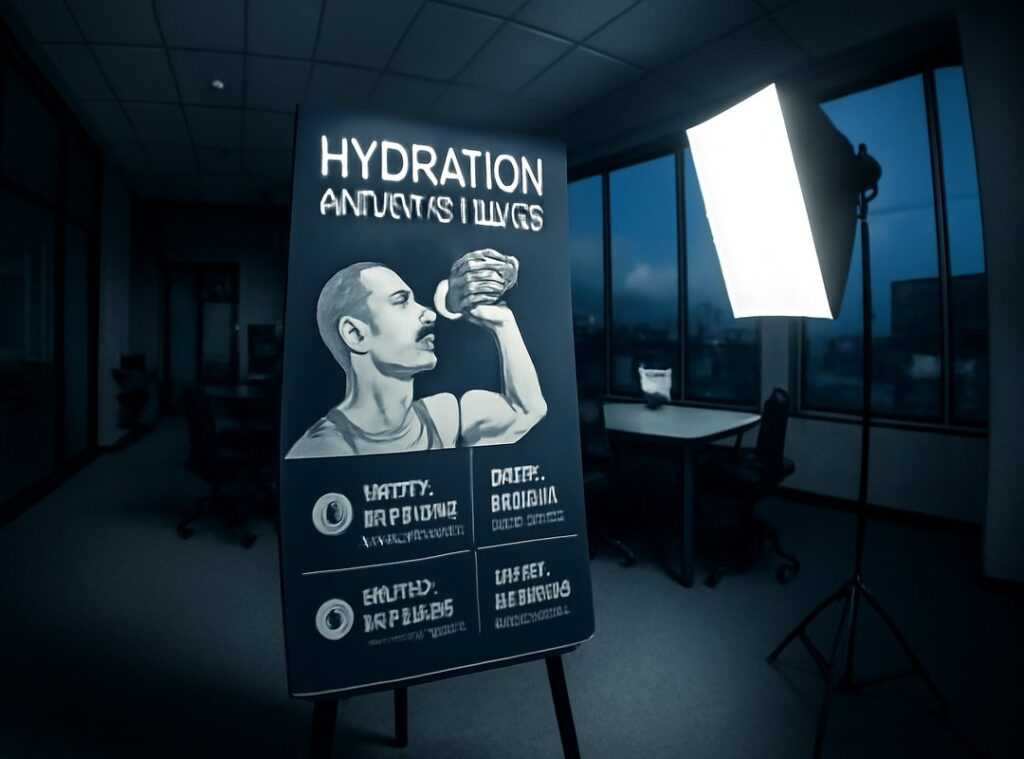
You ever notice how hydration often gets overlooked? People obsess over carbs, proteins, and fats (macro balancing athletic output, you know?), but forget that even minor dehydration can mess you up. I’m talking about losing speed, strength, and focus.
Forget the “8 glasses a day” myth. That’s outdated. I say pay attention to your urine color.
It tells you more than any app will. Drink consistently, not just when you’re thirsty. And if you’re training hard, up your intake before and after workouts.
Electrolytes like sodium and potassium are key too. Especially if you’re sweating buckets in the heat. They keep your muscles firing and your heart ticking like a well-oiled machine.
Don’t skimp on them.
Now, let’s not ignore micronutrients. You don’t need to drown in supplements if your diet’s rich in fruits and veggies. Iron?
Important for oxygen transport. You’ll breathe easier, literally. Calcium and Vitamin D?
Your bones will thank you, especially if you’re pounding the pavement or lifting heavy.
In sports, it’s not just about the big stuff. The small stuff often makes the biggest difference. So next time you plan your meals, think beyond macros.
Hydration and micronutrients are the unsung heroes.
Kickstart Your Nutritional Journey
Tired of hitting a plateau? I’ve been there. Success isn’t about crazy diets.
It’s about consistently applying the fundamentals of balanced nutrition. You now have the knowledge to make smarter choices. Remember, proper fueling is the key to breaking through.
Focus on mastering just one thing this week. Maybe it’s your pre-workout snack. Or your post-workout recovery meal.
Start there. Build momentum. Don’t let confusion stop you from progress.
You’re in control. Ready to improve your macro balancing athletic output? Take the leap.
Visit thespoonathletic.com.co. Your path to peak performance is waiting. Go ahead.
Make it happen.
 Founder & Chief Performance Strategist
Ask Tylisia Mornelle how they got into pro insights and you'll probably get a longer answer than you expected. The short version: Tylisia started doing it, got genuinely hooked, and at some point realized they had accumulated enough hard-won knowledge that it would be a waste not to share it. So they started writing.
What makes Tylisia worth reading is that they skips the obvious stuff. Nobody needs another surface-level take on Pro Insights, Fitness Nutrition Planning, Athletic Health Fundamentals. What readers actually want is the nuance — the part that only becomes clear after you've made a few mistakes and figured out why. That's the territory Tylisia operates in. The writing is direct, occasionally blunt, and always built around what's actually true rather than what sounds good in an article. They has little patience for filler, which means they's pieces tend to be denser with real information than the average post on the same subject.
Tylisia doesn't write to impress anyone. They writes because they has things to say that they genuinely thinks people should hear. That motivation — basic as it sounds — produces something noticeably different from content written for clicks or word count. Readers pick up on it. The comments on Tylisia's work tend to reflect that.