
Think athletes can’t thrive on a plant-based diet? Surprise! Many believe muscle and endurance demand meat, but that’s old news.
Let’s cut through the confusion. Navigating plant-based nutrition can seem daunting, especially when you’re aiming for peak performance. I get it.
I’ve spent years crafting fitness nutrition plans, watching athletes transition seamlessly without losing a step.
This guide? No fluff, no nonsense. Just a practical system to help plant-based diet athletes reach their potential.
Imagine recovering faster, boosting energy, and gaining endurance (all) while eating plants. Sound impossible? It’s not.
You’re not just reading about eating greens; you’re learning to use them strategically for a competitive edge. Trust me, this isn’t just theory. It’s a blueprint from experience.
Ready to change the game? Let’s do this.
The ‘Why’: Unpacking the Performance Edge of a Plant-Focused Diet
Let’s cut to the chase. If you’re an athlete, a plant-based diet isn’t just a moral high ground. It provides a performance boost.
How? For one, reduced inflammation. You know that soreness after a tough workout?
That’s inflammation. Plant-based diets (packed with antioxidants) help decrease that. Faster recovery means you can hit the gym harder and sooner.
Ever heard of vasodilation? It’s how your blood vessels widen to allow more blood flow. This is key for endurance athletes because more oxygen and nutrients reach your muscles.
Plant-based diets, typically lower in saturated fat, improve this process. It’s like running your engine on clean fuel instead of gunked-up sludge. Who doesn’t want fast energy use?
And let’s not forget glycogen storage. Carbohydrates are the primary fuel for your muscles during endurance events. Plant-based diets, rich in complex carbs, keep your glycogen stores topped up.
Think of it as filling up a tank with premium gas. Your muscles will thank you during those long runs or intense cycling sessions.
Curious about hydration? It’s equally key. If you’re diving into a plant-based lifestyle, check out the ultimate guide hydration for athletes.
It complements your new diet perfectly.
In short, plant-based diet athletes have a unique edge. It’s not just about saving the planet. It’s about optimizing your performance with every bite.
Plant Power: Building Your Athletic Plate
Let’s talk about plant-powered nutrition for athletes. Protein. The dreaded question always pops up: “How will I get enough?” It’s time to debunk this myth.
You can get all the protein you need from plants. Forget the idea of “incomplete” proteins. Pairing foods like rice and beans or peanut butter and whole wheat bread creates a complete protein profile.
Think about simple rules. Aim for a protein source at each meal. Top choices?
Lentils, chickpeas, tofu, and tempeh. There’s no excuse when quinoa and seitan are on your plate.
Now, carbohydrates. They’re your body’s primary fuel. Not just any carbs, though.
You’re not topping those off before a sprint, though. simple carbs come in. Fruits and dates can give a quick energy boost. Time it right.
High-octane carbs make a difference. Complex carbs are long-lasting energy sources. Oats, sweet potatoes, and whole grains keep you running.
Load those complex carbs before long training sessions. Or grab a banana for swift energy before a short run.
What about fats? They’re not the enemy. Important fats are key for health and recovery.
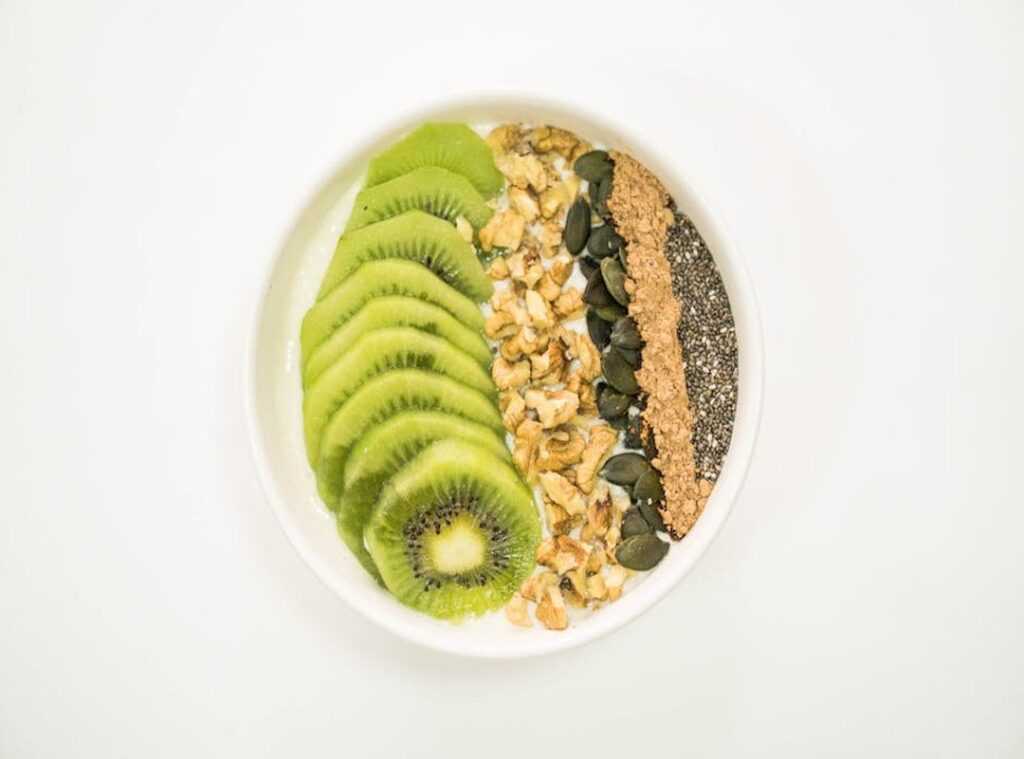
Healthy fats help hormone production and reduce inflammation (which is always good). Avocados, nuts like walnuts and almonds, and seeds like chia and flaxseed should be in your diet. Olive oil, too, for that heart-healthy punch.
Don’t just take my word for it. I’ve seen it work wonders. Transitioning on a “plant-based diet athletes” can thrive.
Check out this resource for more takeaways.
Ironically, what seems like a limitation (a plant-based diet) can be a game-changer. Your plate can be lively and varied without animal products. It’s not just about surviving.
It’s about thriving. Time to fuel up.
Beyond the Macros: Key Nutrients for Athletes
Let’s face it, focusing only on macros is like buying a car without checking the engine. Sure, you might look good on the surface, but how’s your performance? Plant-based diet athletes often overlook the importance of micronutrients, and that’s a big mistake.
For starters, iron is a game-changer. It’s key for oxygen transport. Without it, you’re huffing and puffing your way through workouts (not in a good way).
Plant sources like spinach, lentils, and fortified cereals are solid, but here’s the kicker: pair them with Vitamin C (think bell peppers or citrus). It boosts absorption like magic.
Then there’s calcium and Vitamin D, the changing duo for bone health. Especially if you’re pounding the pavement or the gym floor. Fortified plant milks, tofu, and leafy greens are your friends here.
But don’t forget, Vitamin D often needs supplementation or a good dose of sun. Without it, your bones are like a house of cards.
Speaking of essentials, Vitamin B12 is non-negotiable. It’s one nutrient you won’t find in plants. So, stop playing games and get a supplement.
Trust me, your energy metabolism depends on it.
Lastly, omega-3s. They’re the unsung heroes of anti-inflammation. Flaxseeds, chia seeds, and walnuts are great sources.
Or go for an algae-based supplement for EPA/DHA.
Want to know how these nutrients fit into your overall plan? Check out macro balancing peak athletic output. It’s not just about the macros.
It’s about fine-tuning what’s under the hood.
Fueling in the Trenches: Pre- & Post-Workout Nutrition
Let’s talk about fueling up. Pre-workout nutrition? Keep it simple.
You want easily digestible carbs with a touch of protein. Trust me, you don’t need fancy stuff. Grab a banana, slap on some peanut butter, and you’re golden.
Or maybe a small bowl of oatmeal with berries does it for you. Sometimes, a quick fruit smoothie is all it takes. These aren’t just snacks; they’re your fuel.
Now, post-workout is where it gets interesting. Aim for that magic 3:1 or 4:1 carb-to-protein ratio. Why?
It helps replenish glycogen and repair muscles. Plant-based diet athletes know this isn’t just theory. Try a tofu scramble with toast.
It’s satisfying and effective. A lentil and vegetable soup works wonders too. There’s always a smoothie with plant-based protein powder and fruit.
Or go classic with a hearty bowl of rice and beans.
Feeling unsure about all this? I get it. Nutrition can be a maze.
But these are practical steps you can start today. Does it really make a difference? I’m not entirely sure.
But it’s about experimenting and finding what fuels you best. So, what’s your go-to snack?
Plant-Based Pitfalls: Common Athlete Traps
You’d think going plant-based is all sunshine and greens, but it’s not. Plant-based diet athletes often trip over common mistakes. Number one?
Not eating enough. Plant foods pack less of a caloric punch, so you need to pile your plate a bit higher.
Then there’s the ‘junk food vegan’ trap. Sure, vegan meats and snacks are convenient, but they’re not doing your performance any favors. Whole foods are your real MVPs.
And let’s not forget hydration. With high-fiber diets, plant-based athletes can quickly get dehydrated. Drink up and balance those electrolytes.
Does that sound complicated? It shouldn’t be.
Unleash Your Plant Power
Worried a plant-focused diet might hold you back? It won’t. A smart plan with whole foods sustains but boosts your performance.
Try adding lentils after your next workout. Take action now and discover how plant-based diet athletes crush their goals. Ready to transform your game?
 Founder & Chief Performance Strategist
Ask Tylisia Mornelle how they got into pro insights and you'll probably get a longer answer than you expected. The short version: Tylisia started doing it, got genuinely hooked, and at some point realized they had accumulated enough hard-won knowledge that it would be a waste not to share it. So they started writing.
What makes Tylisia worth reading is that they skips the obvious stuff. Nobody needs another surface-level take on Pro Insights, Fitness Nutrition Planning, Athletic Health Fundamentals. What readers actually want is the nuance — the part that only becomes clear after you've made a few mistakes and figured out why. That's the territory Tylisia operates in. The writing is direct, occasionally blunt, and always built around what's actually true rather than what sounds good in an article. They has little patience for filler, which means they's pieces tend to be denser with real information than the average post on the same subject.
Tylisia doesn't write to impress anyone. They writes because they has things to say that they genuinely thinks people should hear. That motivation — basic as it sounds — produces something noticeably different from content written for clicks or word count. Readers pick up on it. The comments on Tylisia's work tend to reflect that.