
Can athletes truly reach peak performance on a plant-powered plate? It’s one of the most common questions in sports nutrition—and one surrounded by confusion. This guide cuts through the noise with a science-backed blueprint for building muscle, boosting endurance, and accelerating recovery on a plant based athlete diet. If you’ve struggled with low energy, slow recovery, or concerns about protein and nutrient gaps, this article eliminates the guesswork. You’ll get clear, actionable strategies designed for results. No debates about ethics—just practical, performance-first nutrition tactics to help you train harder, recover smarter, and compete at your highest level.
The Competitive Edge: How Plants Fuel Faster Recovery
Hard training creates microscopic muscle damage and a surge of inflammation. That response is normal, yet excessive inflammation slows repair and amplifies soreness. Plant foods are rich in antioxidants—compounds that neutralize unstable molecules called free radicals—and polyphenols, protective chemicals linked to lower inflammatory markers in athletes (Journal of the International Society of Sports Nutrition). As inflammation drops, delayed onset muscle soreness, or DOMS, eases and you can return to intense sessions sooner. Meanwhile, a plant based athlete diet is typically lower in saturated fat, which supports better endothelial function—the ability of blood vessels to dilate—improving oxygen and nutrient delivery (American Heart Association). Better circulation means faster glycogen replenishment and waste removal (think less post-leg-day wobble). So what’s next? Consider timing colorful produce around workouts, adding nitrate-rich beets for blood flow, and tracking soreness to gauge progress. Then build toward ambitious new goals.
Your Plant-Based Macro Blueprint for Power and Endurance
I’ll start with a quick story. A few years ago, I bumped up my training volume for a half marathon and felt completely drained by week three. I thought I needed more supplements. In reality, I just needed better macro planning (lesson learned the sore way).
Here’s what changed everything.
1. Powering with Protein
First, let’s define protein needs. Active individuals aiming for strength or endurance typically require 1.6–2.2 grams of protein per kilogram of body weight (Phillips & Van Loon, 2011). That target is entirely achievable with plants.
Top-tier sources include tofu, tempeh, edamame, lentils, chickpeas, seitan, and quinoa. While some argue plant proteins are “incomplete” (meaning they lack one or more essential amino acids), research shows that eating a variety throughout the day easily covers your bases (Melina et al., 2016). Think lentil curry at lunch and tofu stir-fry at dinner. No need to combine obsessively in one meal.
2. Fueling with Carbohydrates
Next, carbs. Complex carbohydrates—oats, sweet potatoes, brown rice, and whole grains—replenish glycogen, your muscles’ primary fuel for high-intensity exercise. When I increased my oat and rice intake, my interval sessions stopped feeling like a slow-motion movie scene.
3. Optimizing with Fats
Finally, don’t fear fats. Unsaturated fats from avocados, nuts, chia, flax, and hemp seeds support hormone production and recovery. A well-structured plant based athlete diet balances all three macros for sustained power and endurance.
Covering Your Nutritional Bases: Key Micronutrients for Athletes
Micronutrients may be needed in small amounts, but for athletes, their impact is massive. If macros are your fuel, micros are the spark plugs (and no one wins races with faulty wiring).
Iron: Oxygen Delivery Matters
Iron supports hemoglobin, the protein that carries oxygen in your blood. There are two types: heme iron (from animal foods, more easily absorbed) and non-heme iron (from plants, less readily absorbed). For athletes following a plant based athlete diet, this distinction matters.
Recommendation: Pair iron-rich foods like spinach and lentils with vitamin C sources such as citrus or bell peppers to increase absorption (NIH). Avoid drinking coffee or tea with iron-rich meals, as tannins can inhibit uptake.
Some argue plant iron isn’t “enough.” With smart pairing and adequate intake, it absolutely can be.
Vitamin B12: Non-Negotiable
Vitamin B12 is essential for red blood cell formation, nerve function, and energy metabolism. It is not reliably found in plant foods.
Recommendation: If you eat strictly plant-based, supplementation is mandatory. Even mild deficiency can impair performance and cause fatigue (Harvard Health).
Calcium + Vitamin D: Bone Insurance
Calcium strengthens bones; Vitamin D enhances calcium absorption. High-impact athletes need both.
Plant sources include fortified plant milks, tofu, and leafy greens. Recommendation: Get blood levels of Vitamin D checked and supplement if needed.
Omega-3 Fatty Acids: Recovery Support
ALA (alpha-linolenic acid) is found in flaxseeds, chia seeds, and walnuts. However, conversion to EPA/DHA is limited.
Recommendation: Consider an algae-based EPA/DHA supplement for anti-inflammatory benefits (NIH).
And remember, micronutrients work alongside smart fueling strategies like proper hydration and electrolyte planning for intense workouts.
Pre-Workout Fuel: Set the Foundation
For plant-based competitors, strategic fueling starts before you lace up your shoes. Aim for easily digestible carbohydrates with a small amount of protein 1–2 hours before training. Think oatmeal with berries or a banana with a tablespoon of almond butter. Carbohydrates are your body’s preferred energy source, meaning they break down into glucose to power high-intensity effort (Jäger et al., 2017, ISSN).
Some argue fasted training improves fat adaptation. While that may benefit specific endurance phases, most athletes perform better with available glycogen (stored carbohydrate in muscles). (Running on fumes sounds gritty—until your splits slow down.)
Post-Workout Recovery: Maximize the Window
Within 30–60 minutes post-training—the so-called anabolic window—prioritize:
- A 3:1 or 4:1 carb-to-protein ratio
- Rapid glycogen replenishment
- Muscle protein synthesis support
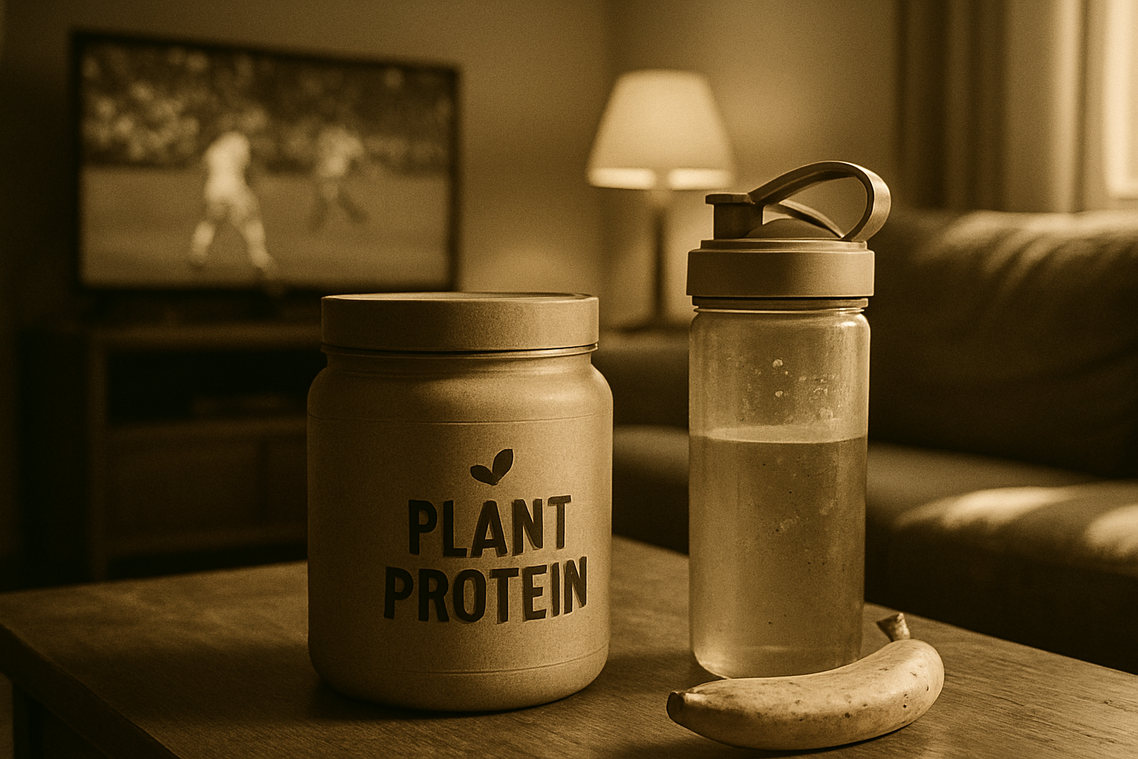
Try a smoothie with soy milk, plant protein powder, banana, and spinach. This approach supports a strong plant based athlete diet and sets up your next session for success.
What’s next? Hydration timing and total daily protein distribution.
Build Your Elite, Plant-Fueled Engine
A well-structured plant based athlete diet isn’t a limitation—it’s a performance advantage. If you’ve been worried about getting enough protein, sustaining energy, or covering essential nutrients, know this: those challenges are solved with smart planning. By prioritizing whole foods, eating enough total calories, hitting your protein targets, and supplementing strategically—especially with B12—you give your body everything it needs to excel.
You came here looking for clarity and confidence. Now you have a framework.
Take the next step: design your personalized plan, fuel with intention, and start training at the level your body is truly capable of.
 Recovery & Endurance Training Specialist
Johnny Geraldeania has opinions about momentum moments. Informed ones, backed by real experience — but opinions nonetheless, and they doesn't try to disguise them as neutral observation. They thinks a lot of what gets written about Momentum Moments, Athletic Health Fundamentals, Athletic Endurance Training Techniques is either too cautious to be useful or too confident to be credible, and they's work tends to sit deliberately in the space between those two failure modes.
Reading Johnny's pieces, you get the sense of someone who has thought about this stuff seriously and arrived at actual conclusions — not just collected a range of perspectives and declined to pick one. That can be uncomfortable when they lands on something you disagree with. It's also why the writing is worth engaging with. Johnny isn't interested in telling people what they want to hear. They is interested in telling them what they actually thinks, with enough reasoning behind it that you can push back if you want to. That kind of intellectual honesty is rarer than it should be.
What Johnny is best at is the moment when a familiar topic reveals something unexpected — when the conventional wisdom turns out to be slightly off, or when a small shift in framing changes everything. They finds those moments consistently, which is why they's work tends to generate real discussion rather than just passive agreement.
Recovery & Endurance Training Specialist
Johnny Geraldeania has opinions about momentum moments. Informed ones, backed by real experience — but opinions nonetheless, and they doesn't try to disguise them as neutral observation. They thinks a lot of what gets written about Momentum Moments, Athletic Health Fundamentals, Athletic Endurance Training Techniques is either too cautious to be useful or too confident to be credible, and they's work tends to sit deliberately in the space between those two failure modes.
Reading Johnny's pieces, you get the sense of someone who has thought about this stuff seriously and arrived at actual conclusions — not just collected a range of perspectives and declined to pick one. That can be uncomfortable when they lands on something you disagree with. It's also why the writing is worth engaging with. Johnny isn't interested in telling people what they want to hear. They is interested in telling them what they actually thinks, with enough reasoning behind it that you can push back if you want to. That kind of intellectual honesty is rarer than it should be.
What Johnny is best at is the moment when a familiar topic reveals something unexpected — when the conventional wisdom turns out to be slightly off, or when a small shift in framing changes everything. They finds those moments consistently, which is why they's work tends to generate real discussion rather than just passive agreement.