You know the feeling—after a tough workout, your muscles ache so much that even walking downstairs feels like a challenge. That lingering stiffness, known as Delayed Onset Muscle Soreness (DOMS), can be a sign of progress—but when it’s severe, it can derail your training schedule, impact performance, and drain your motivation. The good news? You can reduce doms naturally using proven recovery strategies rooted in sports science. In this guide, you’ll discover practical, athlete-approved techniques to ease soreness, accelerate recovery, and get back to training stronger, faster, and more consistently than before.
Why Muscles Get Sore After a Workout
The Science of DOMS
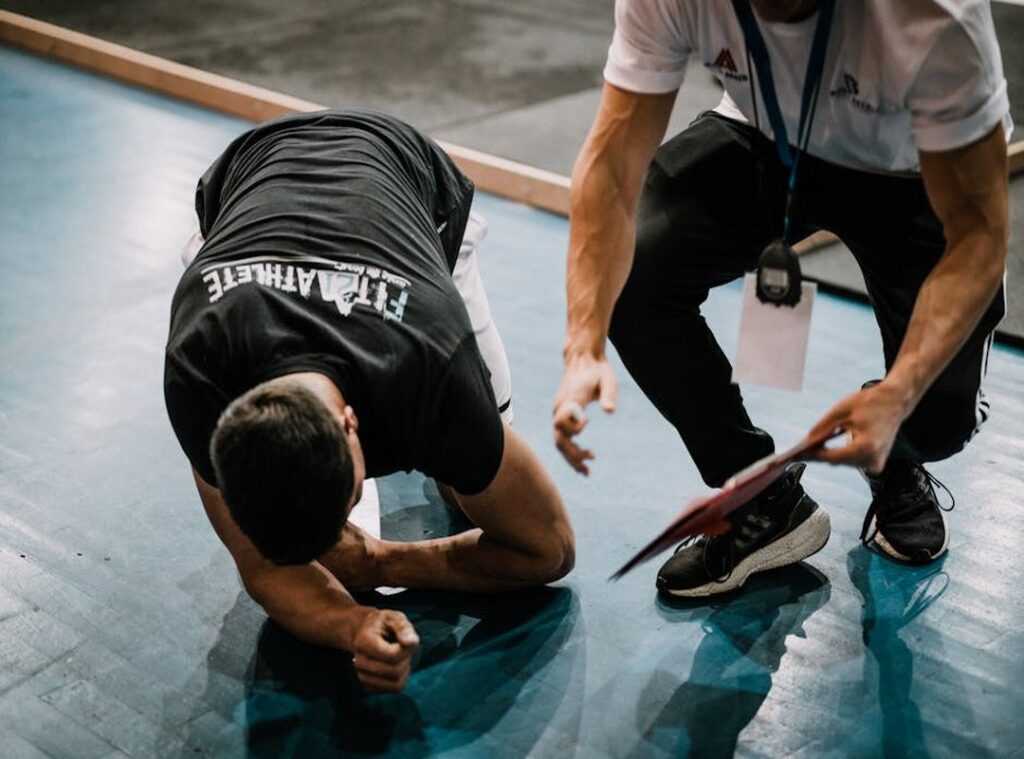
That ache 24–48 hours after leg day? That’s Delayed Onset Muscle Soreness (DOMS)—small, microscopic tears in muscle fibers caused by unfamiliar or intense exercise. Your body responds with inflammation (a natural healing process where blood flow and immune cells repair tissue). Think of it as renovation after a storm: damage first, rebuilding second. Research shows this repair process is part of how muscles grow stronger (American College of Sports Medicine).
Good Pain vs. Bad Pain
Not all soreness is created equal.
- DOMS: dull, widespread stiffness, peaks after a day or two.
- Injury: sharp, sudden, localized pain, often with swelling or instability.
Soreness says “adaptation.” Sharp pain says “stop.” (Your body is honest that way.)
Recovery: Rest vs. Progress
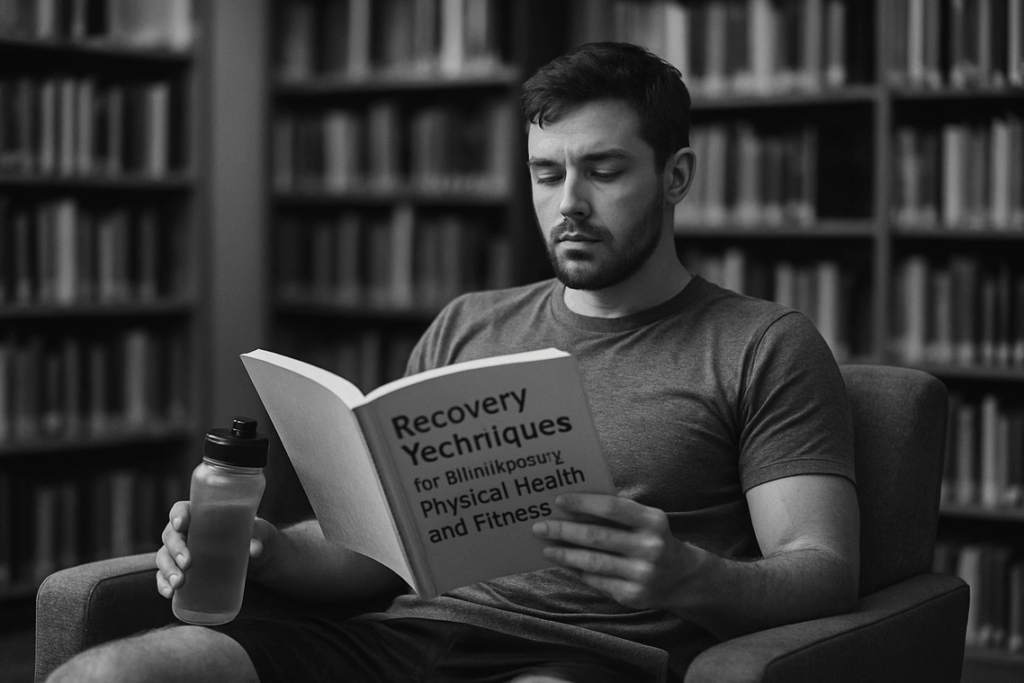
Workout vs. recovery isn’t effort vs. laziness—it’s stress vs. adaptation. Strength gains actually happen during rest, not reps. Strategies like sleep, nutrition, and the role of stretching in post workout recovery may help reduce doms (Journal of Strength and Conditioning Research).
Pro tip: Light movement the next day often beats total inactivity.
Fuel your recovery isn’t just about rest; it’s about what you put on your plate. After a tough workout, your muscles are microscopic construction zones (tiny hard-hat crews included). To rebuild stronger, they need protein—macronutrients that provide amino acids, the building blocks of muscle tissue. Whey protein is fast-digesting, making it ideal post-workout; Greek yogurt, chicken, and lentils deliver high-quality protein plus added nutrients. The payoff? Faster repair, less soreness, and more strength gains.
Beyond protein, certain foods actively calm inflammation. Tart cherry juice has been shown to reduce muscle pain and strength loss after intense exercise, thanks to its anthocyanins, antioxidant compounds that combat oxidative stress (Journal of the International Society of Sports Nutrition). Turmeric and ginger contain curcumin and gingerols—natural anti-inflammatory agents that may ease joint stiffness and support mobility. Add them to smoothies or stir-fries for recovery with a kick.
Omega-3 fatty acids, found in salmon, walnuts, and chia seeds, help regulate the body’s inflammatory response and support heart health (Harvard Health). That means you not only reduce doms but also protect long-term performance.
Finally, hydration is non-negotiable. Water transports nutrients to recovering muscles and flushes metabolic waste like lactate. Even mild dehydration can impair recovery and endurance. Pro tip: weigh yourself before and after training to estimate fluid loss and rehydrate accordingly.
Choose these foods consistently, and you’ll bounce back faster, train harder, and feel ready for whatever challenge comes next. Your body will thank you with resilience and steady progress week after week consistently.
Move to Soothe: Active Recovery Techniques
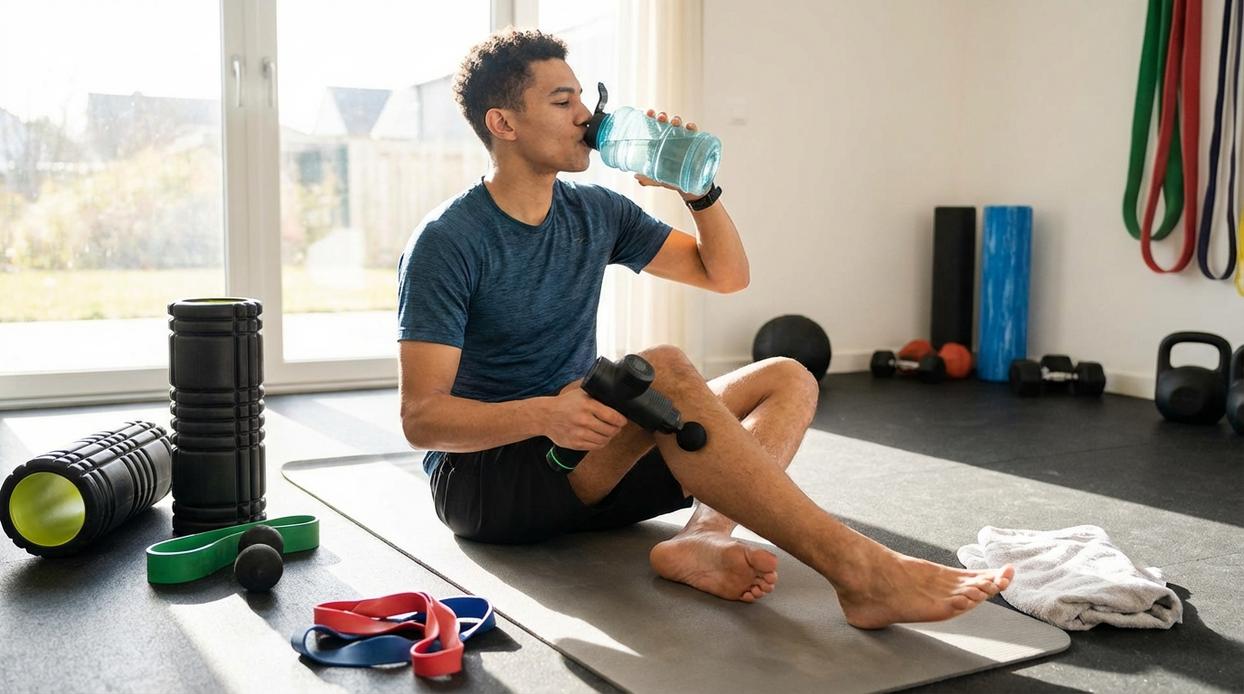
Active recovery is low-intensity exercise performed after a strenuous workout to stimulate blood flow to tired muscles. Instead of collapsing on the couch (tempting, I know), you keep moving—just at a gentler pace. This increased circulation delivers oxygen and nutrients to muscle tissue, helping reduce soreness, stiffness, and inflammation. In short, it helps reduce doms (delayed onset muscle soreness), that 24–72 hour ache many athletes feel after tough sessions (American College of Sports Medicine).
So what does effective active recovery actually look like?
-
Light Cardio
A slow jog, brisk walk, easy swim, or relaxed cycling session for 15–30 minutes keeps blood flowing without adding stress. Think “conversation pace,” not race pace. -
Dynamic Stretching & Mobility
Controlled, flowing movements—like leg swings, arm circles, and hip openers—move joints through a full range of motion. Unlike aggressive static stretching, dynamic work supports mobility without overloading sore tissue. -
Foam Rolling (Self-Myofascial Release)
Slowly roll major muscle groups—quads, hamstrings, glutes, and calves—pausing 20–30 seconds on tender spots. This technique applies gentle pressure to fascia (connective tissue surrounding muscles), encouraging relaxation and improved circulation.
In other words, recovery isn’t about doing nothing—it’s about doing just enough.
Temperature and Topical Therapies for Relief
At first, I underestimated how much temperature could influence recovery. I used to blast hot showers after every workout, thinking more heat meant more healing. However, I learned the hard way that inflammation sometimes needs the opposite. Contrast water therapy—alternating between hot and cold water—creates a vascular pumping effect. Cold constricts blood vessels, hot dilates them, and the shift helps move metabolic waste like lactic acid. Over time, this can reduce doms and calm swelling.
Meanwhile, Epsom salt baths taught me patience. Magnesium sulfate contains magnesium, a mineral involved in muscle contraction and relaxation (NIH). While absorption debates continue, many athletes report less soreness after soaking. I once skipped recovery baths entirely and paid for it with tight calves for days.
Then there are natural topicals. Arnica gel has long been used in herbal medicine for bruising and inflammation, and I keep it handy after tough sessions. Peppermint and eucalyptus oils add a cooling sensation when diluted with a carrier oil. Initially, I applied them straight—big mistake. Proper dilution prevents irritation while still delivering temporary relief. In the end, recovery rewards balance, not extremes. Small adjustments make a measurable difference. Consistency beats intensity here.
Building a Consistent, Pain-Free Fitness Routine
You came here looking for a smarter way to recover—and now you have a clear, practical strategy that goes beyond simply waiting for soreness to fade. By combining proper nutrition, intentional movement, and targeted recovery techniques, you can reduce doms naturally and stay consistent with your training.
Post-workout soreness shouldn’t be the reason you miss sessions or lose momentum. When you actively support your body’s repair process, you build strength, resilience, and long-term progress.
Start today: choose two natural recovery methods and add them to your routine this week. Take control of your recovery, feel the difference, and keep moving toward your fitness goals.
 Recovery & Endurance Training Specialist
Johnny Geraldeania has opinions about momentum moments. Informed ones, backed by real experience — but opinions nonetheless, and they doesn't try to disguise them as neutral observation. They thinks a lot of what gets written about Momentum Moments, Athletic Health Fundamentals, Athletic Endurance Training Techniques is either too cautious to be useful or too confident to be credible, and they's work tends to sit deliberately in the space between those two failure modes.
Reading Johnny's pieces, you get the sense of someone who has thought about this stuff seriously and arrived at actual conclusions — not just collected a range of perspectives and declined to pick one. That can be uncomfortable when they lands on something you disagree with. It's also why the writing is worth engaging with. Johnny isn't interested in telling people what they want to hear. They is interested in telling them what they actually thinks, with enough reasoning behind it that you can push back if you want to. That kind of intellectual honesty is rarer than it should be.
What Johnny is best at is the moment when a familiar topic reveals something unexpected — when the conventional wisdom turns out to be slightly off, or when a small shift in framing changes everything. They finds those moments consistently, which is why they's work tends to generate real discussion rather than just passive agreement.
Recovery & Endurance Training Specialist
Johnny Geraldeania has opinions about momentum moments. Informed ones, backed by real experience — but opinions nonetheless, and they doesn't try to disguise them as neutral observation. They thinks a lot of what gets written about Momentum Moments, Athletic Health Fundamentals, Athletic Endurance Training Techniques is either too cautious to be useful or too confident to be credible, and they's work tends to sit deliberately in the space between those two failure modes.
Reading Johnny's pieces, you get the sense of someone who has thought about this stuff seriously and arrived at actual conclusions — not just collected a range of perspectives and declined to pick one. That can be uncomfortable when they lands on something you disagree with. It's also why the writing is worth engaging with. Johnny isn't interested in telling people what they want to hear. They is interested in telling them what they actually thinks, with enough reasoning behind it that you can push back if you want to. That kind of intellectual honesty is rarer than it should be.
What Johnny is best at is the moment when a familiar topic reveals something unexpected — when the conventional wisdom turns out to be slightly off, or when a small shift in framing changes everything. They finds those moments consistently, which is why they's work tends to generate real discussion rather than just passive agreement.