

Building a stronger heart doesn’t require extreme workout plans or expensive supplements. If you’re looking for simple, sustainable ways to improve your cardiovascular fitness, this guide breaks it down into clear, actionable steps. Many people feel overwhelmed by conflicting advice and assume meaningful progress is complicated. In reality, the fundamentals—smart training, consistent movement, and supportive nutrition—make the biggest difference. Here, you’ll learn science-backed strategies to increase vo2 max naturally, boost endurance, and strengthen your heart for the long term. Every recommendation is grounded in established athletic health and endurance principles designed to deliver lasting, measurable results.
The Cornerstone of Cardio: Consistent Aerobic Activity
Aerobic exercise—often called “cardio”—refers to any activity that uses oxygen to fuel your muscles over an extended period of time. Think brisk walking, jogging, cycling, swimming, or even a steady dance class. In simple terms, if you’re moving continuously and your breathing rate rises to meet the demand, you’re doing aerobic work.
So why does this matter? First and foremost, consistent aerobic training strengthens your heart muscle. Over time, the heart increases its stroke volume—the amount of blood pumped with each beat. This means it doesn’t have to work as hard at rest (which is why trained individuals often have lower resting heart rates). Additionally, regular cardio improves oxygen delivery throughout the body and can help lower resting blood pressure, reducing cardiovascular disease risk (American Heart Association).
Just as importantly, aerobic conditioning can increase vo2 max, which is your body’s maximum ability to use oxygen during exercise. A higher VO2 max is strongly associated with improved endurance and longevity (JACC, 2018).
How Much Is Enough?
For most beginners and intermediates, aim for 150 minutes of moderate-intensity activity per week. That could mean 30 minutes, five days a week, or three 50-minute sessions—whatever fits your schedule. Consistency beats intensity every time.
Not sure if you’re working hard enough? Use the “talk test.” You should be able to hold a conversation, but not sing. If you’re gasping for air, dial it back. If you could recite movie lines effortlessly, pick up the pace.
Start where you are. Build gradually. Your heart will adapt—and thank you for it.
Unlock Peak Fitness with High-Intensity Interval Training (HIIT)
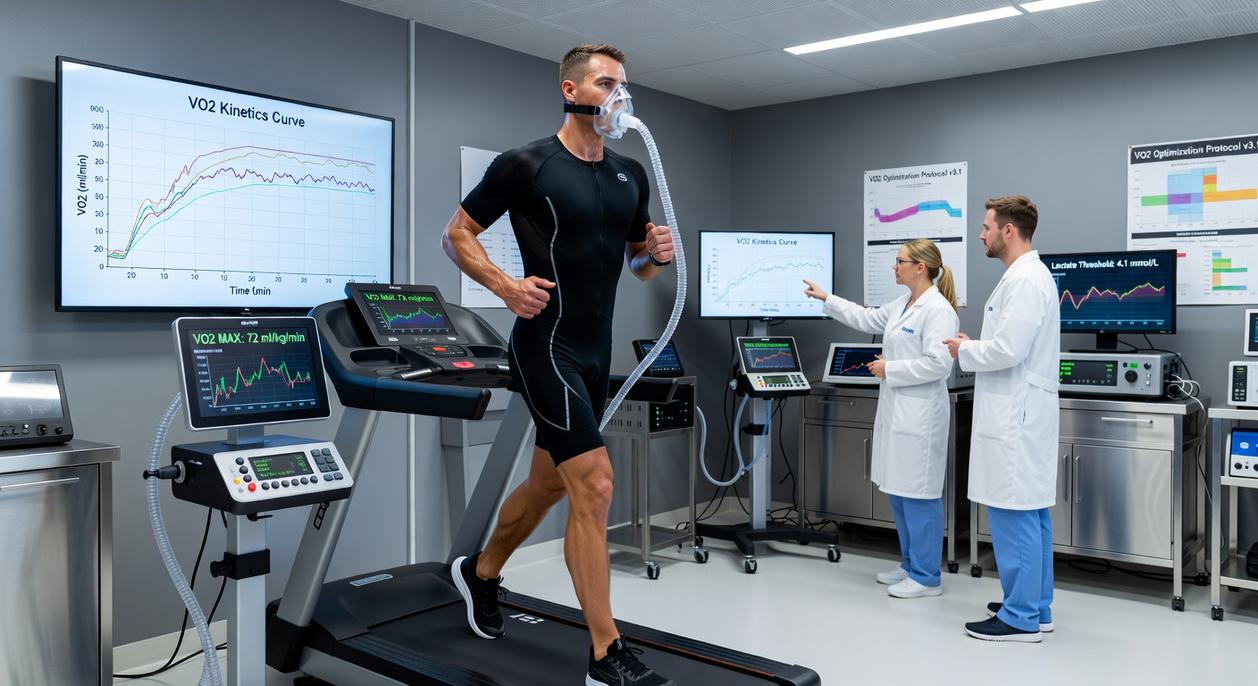
HIIT is simple in theory: short, ALL-OUT bursts of effort followed by brief recovery periods. Think of it like slamming the gas pedal, then easing off before flooring it again. That’s different from steady-state cardio, which is more like setting cruise control and staying there. Both have value—but HIIT hits different.
Why? Because it challenges your heart and lungs the way a pop quiz wakes up your brain. These intense intervals push your body to adapt, helping increase vo2 max—the maximum amount of oxygen your body can use during exercise (a key marker of endurance performance). Research shows HIIT can improve VO2 max as effectively, or more so, than moderate continuous training in less time (Gibala et al., 2012; Weston et al., 2014).
It’s the espresso shot of workouts: short, potent, and energizing.
Sample No-Equipment HIIT
- Hill Sprints: Sprint up, walk down, repeat 6–8 times.
- Bodyweight Circuit: 30 seconds burpees, 60 seconds rest, 6 rounds.
Pro tip: Quality beats quantity—go hard during work intervals.
Integrate HIIT 1–2 times weekly on non-consecutive days. Your cardiovascular system needs recovery to rebuild (overtraining is like revving an engine without oil—eventually, it sputters). Balance intensity with rest for peak results.
Fueling the Engine: Nutrition for a Healthy Heart
Your heart works 24/7, so what you put on your plate directly affects how well it performs. First and foremost, focus on whole foods—meaning foods that are minimally processed and close to their natural state. Think fruits, vegetables, lean proteins, legumes, nuts, seeds, and whole grains. These provide fiber, vitamins, and minerals that support steady blood flow and healthy cholesterol levels.
Key Nutrients That Make a Difference
Certain nutrients play outsized roles in cardiovascular health. Omega-3 fatty acids (found in salmon, sardines, and walnuts) help reduce inflammation, which is linked to heart disease (Harvard T.H. Chan School of Public Health). Potassium from bananas, spinach, and sweet potatoes helps regulate blood pressure by balancing sodium levels (American Heart Association). Meanwhile, antioxidants in berries protect cells from oxidative stress.
On the other hand, excess sodium, added sugars, and trans fats can raise blood pressure and promote plaque buildup in arteries. Over time, that forces your heart to work harder than it should.
Finally, don’t overlook hydration. Proper fluid intake maintains healthy blood volume, making circulation more efficient. If you’re training to increase vo2 max, pairing smart nutrition with structured workouts like tempo runs explained a guide to improving lactate threshold can further strengthen cardiovascular performance.
The 24/7 Approach: Lifestyle Habits for Superior Cardio Health
Back in 2019, sleep tracking studies from the American Heart Association reinforced what endurance coaches had observed for years: deep sleep is when the cardiovascular system finally exhales. During slow-wave sleep, heart rate and blood pressure drop, allowing vessels to relax and repair (AHA, 2019). In other words, recovery isn’t optional—it’s scheduled nightly. Skimp on it, and even the best plan to increase vo2 max stalls.
Meanwhile, chronic stress keeps cortisol elevated, which can raise blood pressure over time (Mayo Clinic, 2020). That’s why simple resets—deep breathing, meditation, or 20 minutes in nature—matter more than they seem.
On rest days, consider active recovery:
- Light walking
- Gentle stretching
- Easy cycling
These low-intensity sessions promote circulation, help clear metabolic waste, and support recovery—without adding strain. Over weeks and months, those small habits compound (quietly, but powerfully).
Your Path to Lasting Cardiovascular Vitality
You came here looking for a clear, sustainable way to build a stronger heart and better endurance—and now you know it doesn’t require extremes or confusing fitness jargon. A resilient cardiovascular system is built through consistent movement, smart intensity, whole-food nutrition, and proper recovery working together.
If you’ve felt overwhelmed or unsure where to start, remember: you don’t need a perfect plan, just a practical one. These fundamentals help you increase vo2 max naturally while protecting your long-term health.
Start today. Choose one action—take a 30-minute brisk walk or add potassium-rich foods to your meals—and build momentum from there. Your heart will thank you.
 Senior Fitness & Nutrition Analyst
Theresan Keatonivas writes the kind of athletic endurance training techniques content that people actually send to each other. Not because it's flashy or controversial, but because it's the sort of thing where you read it and immediately think of three people who need to see it. Theresan has a talent for identifying the questions that a lot of people have but haven't quite figured out how to articulate yet — and then answering them properly.
They covers a lot of ground: Athletic Endurance Training Techniques, Workout Recovery Hacks, Athletic Health Fundamentals, and plenty of adjacent territory that doesn't always get treated with the same seriousness. The consistency across all of it is a certain kind of respect for the reader. Theresan doesn't assume people are stupid, and they doesn't assume they know everything either. They writes for someone who is genuinely trying to figure something out — because that's usually who's actually reading. That assumption shapes everything from how they structures an explanation to how much background they includes before getting to the point.
Beyond the practical stuff, there's something in Theresan's writing that reflects a real investment in the subject — not performed enthusiasm, but the kind of sustained interest that produces insight over time. They has been paying attention to athletic endurance training techniques long enough that they notices things a more casual observer would miss. That depth shows up in the work in ways that are hard to fake.
Senior Fitness & Nutrition Analyst
Theresan Keatonivas writes the kind of athletic endurance training techniques content that people actually send to each other. Not because it's flashy or controversial, but because it's the sort of thing where you read it and immediately think of three people who need to see it. Theresan has a talent for identifying the questions that a lot of people have but haven't quite figured out how to articulate yet — and then answering them properly.
They covers a lot of ground: Athletic Endurance Training Techniques, Workout Recovery Hacks, Athletic Health Fundamentals, and plenty of adjacent territory that doesn't always get treated with the same seriousness. The consistency across all of it is a certain kind of respect for the reader. Theresan doesn't assume people are stupid, and they doesn't assume they know everything either. They writes for someone who is genuinely trying to figure something out — because that's usually who's actually reading. That assumption shapes everything from how they structures an explanation to how much background they includes before getting to the point.
Beyond the practical stuff, there's something in Theresan's writing that reflects a real investment in the subject — not performed enthusiasm, but the kind of sustained interest that produces insight over time. They has been paying attention to athletic endurance training techniques long enough that they notices things a more casual observer would miss. That depth shows up in the work in ways that are hard to fake.